
By Ido Lekota
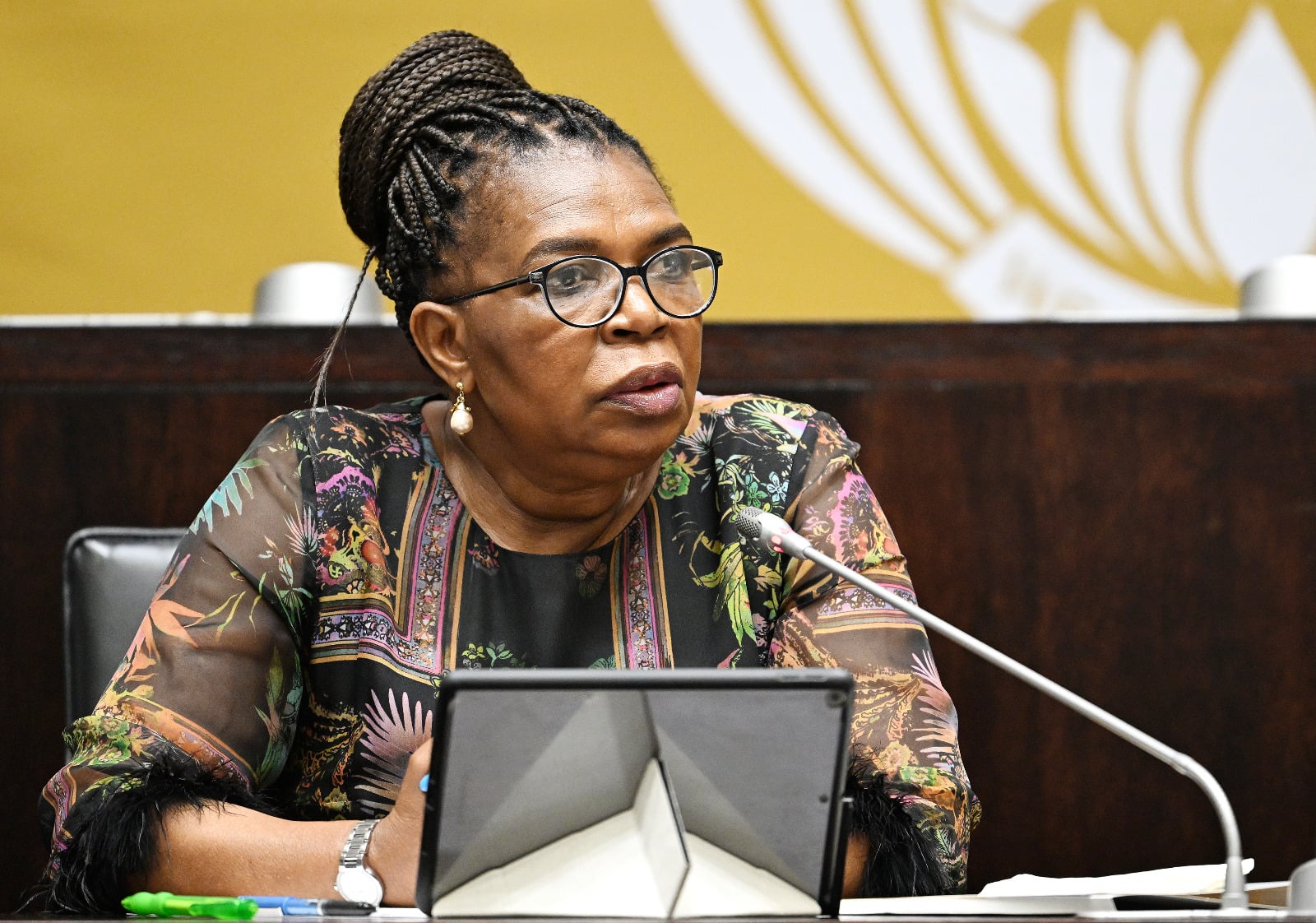
President Cyril Ramaphosa’s reappointment of disgraced former Communication Minister Dina Pule would send a deeply troubling signal to the public: that moral probity is optional, and that political convenience can outweigh ethical standards in public office.
A ministerial reshuffle is often defended as a corrective measure, but the correction is only credible when the replacement represents a visible improvement in competence, ethics, or public confidence. Where that is absent, the public is left to conclude that the change is cosmetic rather than moral. In that case, the state appears less interested in restoring integrity than in managing appearances.
In a ministry as sensitive as social development, such a decision would not be read as a neutral administrative adjustment. It would be understood as a political statement about what the governing party and the presidency are willing to tolerate. The social development portfolio is one of the state’s most important trust positions because it speaks directly to the lives of the poor, the unemployed, children, the elderly, and grant-dependent households.
If a leader removes a minister whose record is already tainted, only to replace her with someone whose own ethical standing inspires no greater confidence, the public is likely to conclude that nothing has really changed. The reshuffle then becomes less about renewal and more about rearranging compromise. That is dangerous in a country where citizens are already sceptical of elite accountability and where every sign of inconsistency deepens public cynicism.
In politics, the appointment or removal of a minister is never just an administrative act; it is a statement of values, priorities, and political tolerance. When a government removes a social development minister whose moral standing is already in question and replaces her with someone whose record offers no clearer reassurance, it sends a troubling message to the public: that ethical credibility is negotiable, and that proximity to power may matter more than public trust.
Whether intended or not, such a move can communicate several messages. First, it may suggest that leadership standards are being lowered, not raised. Second, it can imply that loyalty, factional balancing, or political convenience is more important than ethical repair. Third, it can deepen the sense among citizens that corruption or questionable conduct carries few real consequences in public life.
That is why the issue is not only about one individual. It is about the signal the executive sends to the country. If a government removes one ethically damaged figure only to install another with comparable doubts, it risks confirming the public’s worst suspicions: that accountability is selective, and that the architecture of power protects insiders while preaching morality to everyone else.
The damage goes beyond optics. Public trust is a governing resource, and once depleted, it is difficult to restore. Ministries that deal with vulnerable people require not only administrative competence but also moral authority. Without that, even legitimate policy decisions can be met with cynicism.
In the long run, this kind of appointment culture normalises mediocrity and ethical drift. It tells civil servants that standards are flexible, that scandal is survivable, and that public office is not necessarily a trust to be earned but a prize to be managed. That is corrosive to the state, especially in a democracy already under pressure from unemployment, inequality, and declining confidence in institutions.
The real question is not whether a minister has been moved from one post to another. The question is whether the state is serious about restoring public confidence, or merely reshuffling compromise and calling it renewal.