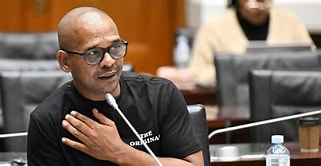

For months, National Coloured Congress MP Fadiel Adams has been the name on everyone’s lips at the Madlanga Commission without ever taking the oath himself. Witness after witness has invoked him, argued about him, and pointed fingers over him. Now that changes: Adams is pencilled in to appear before the commission on August 11, 2026, and few sessions have been as anticipated.
Who is Fadiel Adams?
Adams leads the National Coloured Congress, a small Western Cape party, and has built a reputation in Parliament as a combative, headline-chasing MP unafraid of a fight — whether with police brass, fellow parliamentarians, or, increasingly, the very anti-corruption body he helped set in motion. He first landed in the commission’s story as the man whose complaints triggered an investigation that ultimately took down some of the country’s most senior crime intelligence officers. He’s remained in the frame ever since, accused at various turns of mishandling classified material, of having his own arrest weaponised as evidence, and — most recently — of possibly having statements fabricated in his name.
How we got here: the complaint that started it all
The thread runs back to late 2024. Adams laid a string of criminal complaints against Crime Intelligence head Lieutenant-General Dumisani Khumalo and several colleagues, alleging fraud, corruption, nepotism and interference with his own dockets. When police legal officials found little basis to pursue the matter, Adams didn’t let it go — he approached the Investigating Directorate Against Corruption (IDAC) with the same allegations instead.
That’s where suspended Police Minister Senzo Mchunu enters the picture. Adams complained directly to Mchunu’s office that police were obstructing his cases, and on November 11, 2024, Mchunu’s chief of staff forwarded the complaint to then-IDAC head Advocate Andrea Johnson, asking her to investigate — despite the letter reportedly carrying no supporting documentation. Evidence before the commission suggests IDAC didn’t just receive Adams’ complaint passively; testimony from Johnson indicated investigators were told to actively engage him and solicit a formal affidavit from him, which is an unusual sequence for a body meant to receive complaints rather than generate them. That affidavit became the basis for Khumalo’s arrest, along with several co-accused, months later.
The bombshells piling up
Since then, the Adams thread has produced one of the commission’s most explosive sub-plots:
- Voice notes and disputed statements. IDAC prosecutor Advocate Drushanta Ramsamy and investigator Mantsha Raphesu came forward with recorded voice notes disputing the authenticity of statements attributed to Adams — statements chief investigator Dylan Perumal is accused of having fabricated or backdated to bolster the case against Crime Intelligence officers. Johnson herself conceded the timeline “did not make sense.”
- A “hidden hand.” Commissioners have raised the possibility that the IDAC investigation was steered well beyond what Adams’ original complaint could support — suggesting someone else may have been shaping the direction of the probe.
- IDAC chasing Adams’ arrest records. After Adams was himself arrested in May 2026 on charges of defeating the ends of justice — linked to the Sindiso Magaqa murder investigation — IDAC officials sought detailed records on the police unit that arrested him, a move Johnson said she couldn’t explain the relevance of.
- Retaliation allegations. Ramsamy has separately testified that Johnson tried to find a way to stop her from testifying before the commission at all, after a recorded call surfaced.
- Fallout at the top. Johnson has since resigned as IDAC head amid the mounting scrutiny, and the directorate’s handling of the Adams-linked cases — including a provisional withdrawal of charges against Khumalo — remains under active examination.
Through all of this, Adams has publicly complained that his name keeps surfacing in testimony while he’s been denied a chance to give his own account.
What to expect on August 11
When Adams finally takes the stand, the commission will likely press him on the sequence of his complaints, his direct line to Mchunu’s office, the circumstances of the disputed affidavit and statements bearing his name, and his own arrest. For a man who has spent this inquiry being talked about rather than talking, it’s his chance to set the record straight — or to add another combustible chapter to a commission that has rarely gone a week without one.
This is a developing story. Details of witness testimony and scheduling are subject to change as commission proceedings continue.