
IDO LEKOTA
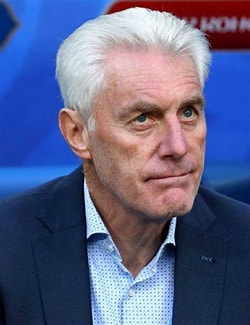
Hugo Broos’ time as Bafana Bafana coach appears to be drawing to a close, but not in a way that suggests a full goodbye.
The Belgian has signalled that while he is stepping down from the demanding job of leading the team on the touchline, he would still be open to helping South African football in a consulting, advisory or scouting capacity. That small distinction says a lot: Broos may be leaving the job, but he is not necessarily leaving the project.
And what a project it has been. When Broos arrived, Bafana were still carrying the weight of inconsistency, doubt and years of underachievement. His tenure gradually brought something far more valuable than spectacle: structure, belief and a clear sense of identity. The team became harder to play against, more disciplined and more confident in its own ability. He also showed a willingness to trust younger players and to make firm decisions, which gave Bafana a sharper edge and a more professional feel.
The real turning point came with South Africa’s historic progress beyond the group stage at the World Cup, where Bafana reached the Round of 32 for the first time. That achievement did more than add a line to the record book; it changed the mood around the national team. It gave supporters something they have long wanted – evidence that South African football can compete, not just hope. It also gave Broos’ era a proper sense of legacy.
So the end of his five-year contract in July 2026 is not just the end of a coaching spell. It is the closing of a chapter that helped restore credibility to Bafana Bafana. If SAFA is sensible, it will not treat Broos’ possible advisory or scouting role as a consolation prize, but as a way of keeping some continuity in a system that often loses momentum the moment a successful coach walks away.
In that sense, Broos is stepping down, but he is not disappearing. And for South African football, that may be the best possible ending to a very productive era.