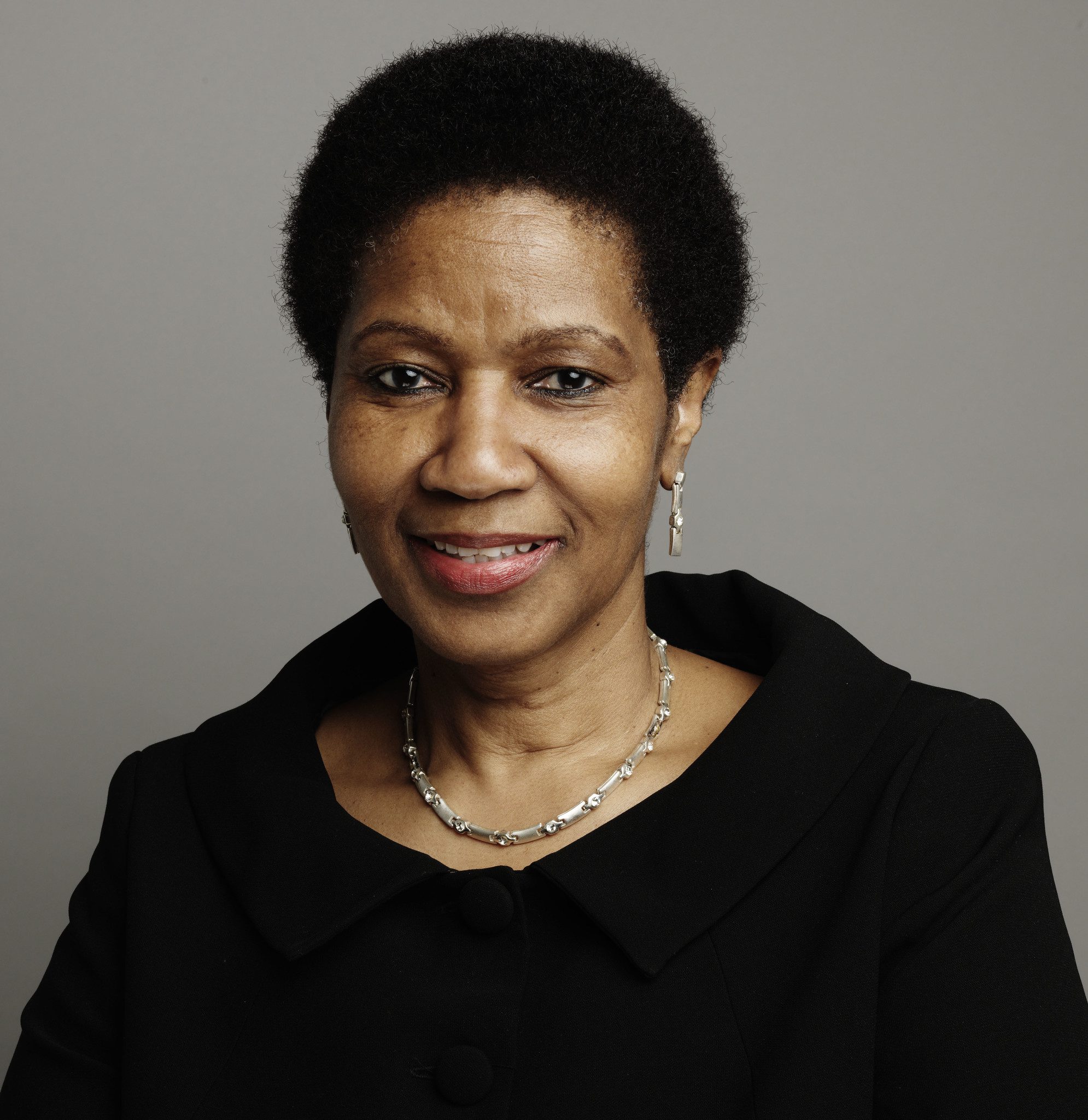

Johannesburg. Phumzile Mlambo-Ngcuka, South Africa’s first woman deputy president and the former head of UN Women, has died at the age of 71, the Presidency announced on Friday evening.
Acting President Paul Mashatile said he had received the news with shock and sadness. He extended condolences to her family on behalf of President Cyril Ramaphosa and the government. Details of memorial arrangements had not been announced at the time of writing.
Who she was
Mlambo-Ngcuka was born in Durban in 1955. She trained as a teacher and became active in the anti-apartheid struggle, working in women’s and community organisations in KwaZulu-Natal. She has spoken of being politicised at university by the inequality of apartheid education.
She entered Parliament after the first democratic election in 1994. She was appointed Deputy Minister of Trade and Industry in 1996 and became Minister of Minerals and Energy in 1999, the first woman to hold that portfolio. She was one of the most prominent women in Thabo Mbeki’s Cabinet.
Deputy president
Her national profile peaked in June 2005, when Mbeki appointed her deputy president after dismissing Jacob Zuma. Zuma’s fall followed the corruption conviction of his financial adviser, Schabir Shaik. She became the first woman to hold the post. The appointment made her a lightning rod in the ANC’s succession fight, partly because her husband, Bulelani Ngcuka, was then National Director of Public Prosecutions. Zuma’s supporters accused the Ngcukas of orchestrating the case against him.
As deputy president she championed the Accelerated and Shared Growth Initiative for South Africa (AsgiSA) and the Joint Initiative on Priority Skills Acquisition (JIPSA). Both were government efforts to speed up growth and address the skills shortage.
The succession question
Ahead of the ANC’s December 2007 Polokwane conference, the party was split between Mbeki’s camp and Zuma’s supporters. Some commentators and ANC members floated Mlambo-Ngcuka as a possible compromise or consensus figure, a woman who could lead the party and eventually the country without the bitterness of an Mbeki–Zuma contest. Her association with the Mbeki camp and her history with the Zuma faction counted against her.
The compromise never materialised. Zuma won the ANC presidency at Polokwane, and Mbeki was recalled as national president in September 2008. Mlambo-Ngcuka resigned as deputy president together with a number of Mbeki-aligned ministers. Kgalema Motlanthe became president, so South Africa did not get its first woman head of state.
UN Women
In July 2013, UN Secretary-General Ban Ki-moon appointed her Executive Director of UN Women, with the rank of Under-Secretary-General. She led the agency for about eight years. She championed gender equality campaigns and pushed for greater political and economic participation by women. More recently she chaired the International Olympic Committee’s Advisory Committee on Human Rights. In 2025 President Ramaphosa appointed her co-convenor of the G20 Social Summit alongside Minister Khumbudzo Ntshavheni.