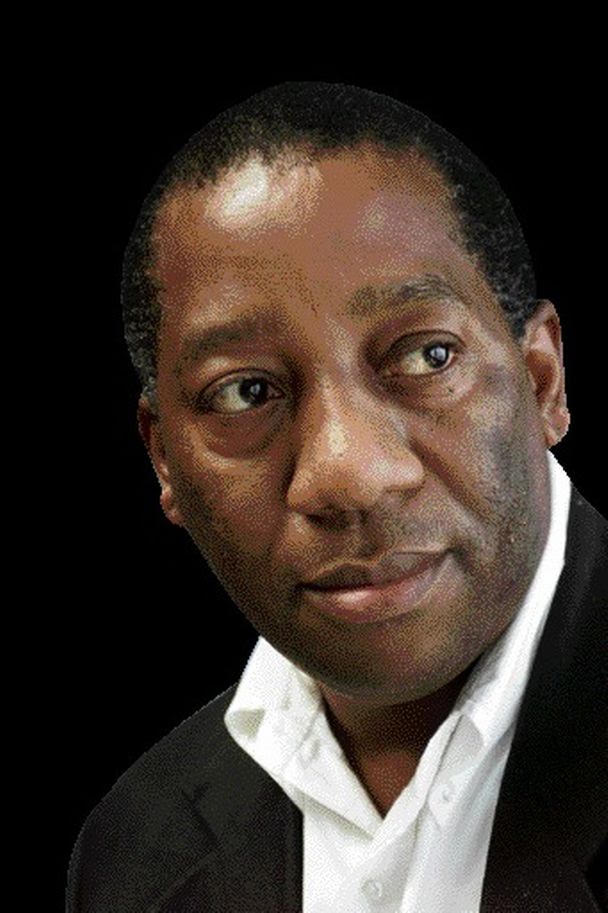

MAIN PHOTO: OUPA NGWENYA
VIEWPOINT: OUPA NGWENYA
Be Real Black For Me – a woman sang about it for me to hear it in my teen years. The black woman’s name was Roberta Flack.
Roberta Flack’s affirmation of blackness did not end with that song. It extended to asking: why did artists not paint angels black too? This was in the song “Angelitos Negros”. The words to the song taken from a poem by Brazilian poet Andres Eloy Blanco titled “Little Black Angels” that Roberta took to perform into song.
In agreement, we, black people, began to bless day as much as we did night. Blackness stopped being a curse. Nor was whiteness ordained as a blessing. Both mattered for completion of the picture of the universe.
As a boy in the 1970s looking for the aesthetics of liberation, womanhood, motherhood, black thought and salutary deeds, another woman stormed into my life. The woman was Nina Simone. This was after the secretary of Debonairs Softball Club, Star Walaza, I was deputy to, gifted me with a vinyl record of Simone’s album titled Black Gold.
The acclaimed song from that album was: To Be Young, Gifted and Black. Of all the good songs from that album, the song claimed a special place in my heart, brought joy inside my tears, lifted my spirits, extended my mental frame with pride, helped me see beauty and dignity in blackness.
We were lucky and blessed to have these black queens and troubadours of our struggle to spur us on. They helped us through the pain and trauma of it all.
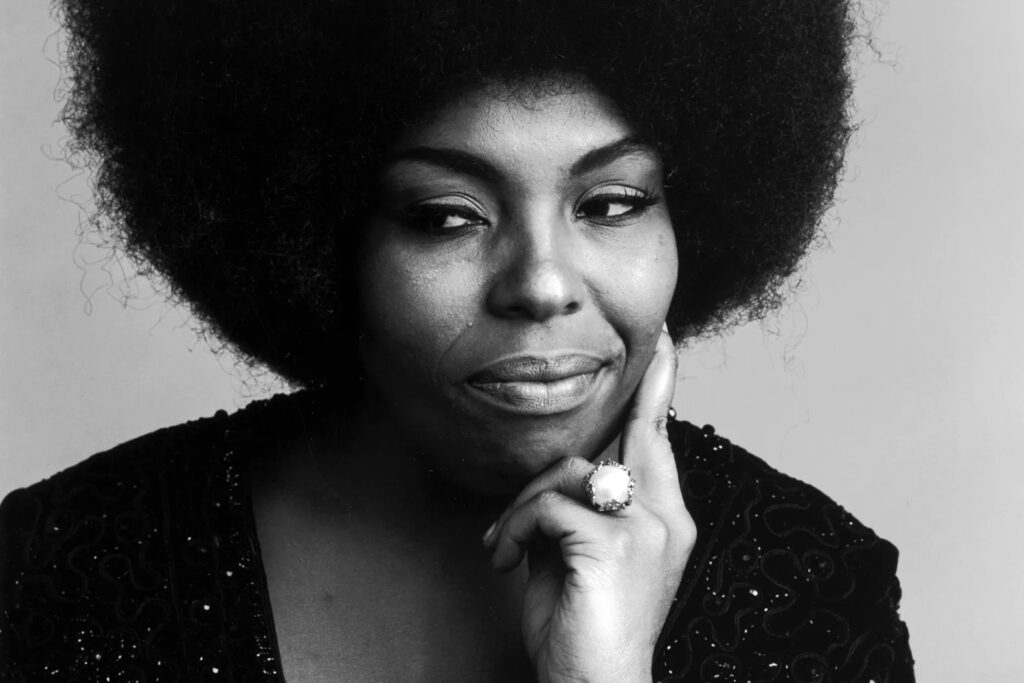
CAPTION: ROBERTA FLACK
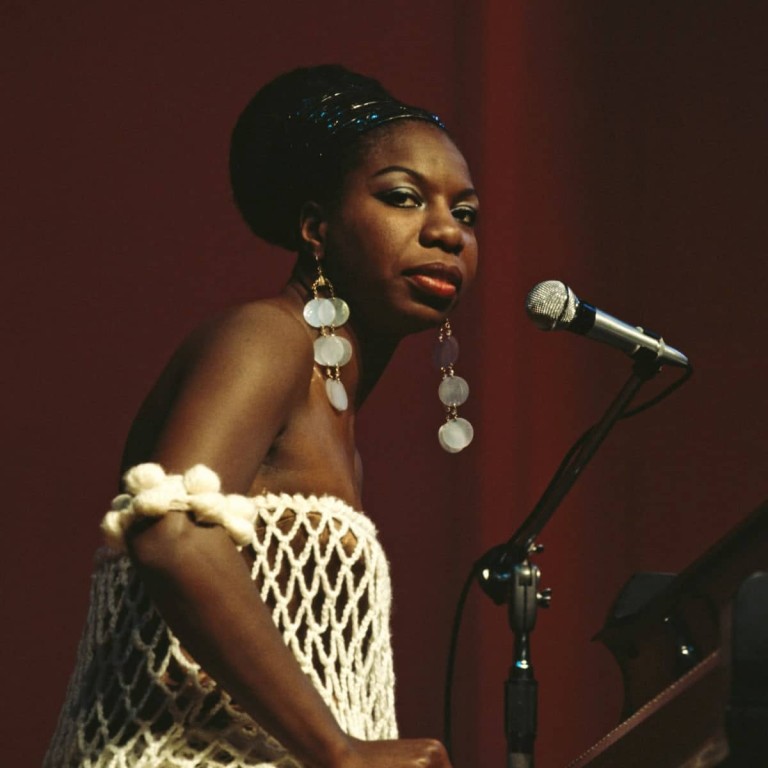
CAPTION: NINA SIMONE
One cannot forget Mirriam Makeba’s “Promise” and Letta Mbulu’s “Zimkile”. To this day one cannot listen to Letta Mbulo’s “Tristeza” without pain and a sense of loss – even though it is difficult to follow the Portuguese lyrics, the mourning is understood.
Makeba promised to return from exile. Mbulo carried Zimkile — the gone-ness, the scattered family. Their voices indigenised what Roberta and Nina had affirmed. Blackness was no longer just beautiful in America; it was at home, in our languages, in our village lamentations.
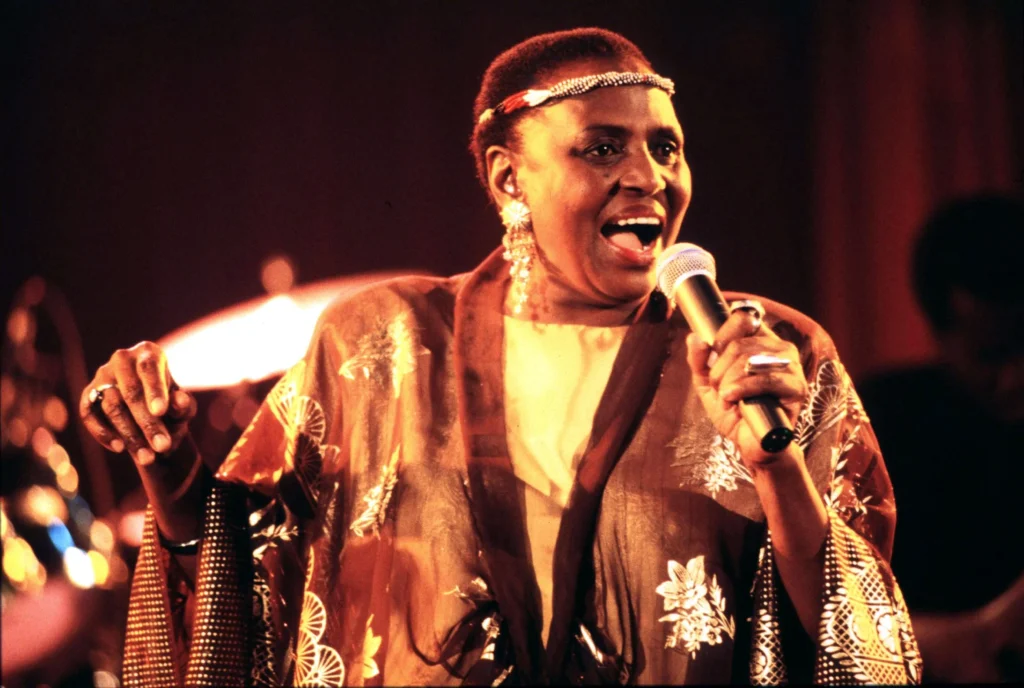
CAPTION: MIRIAM MAKEBA
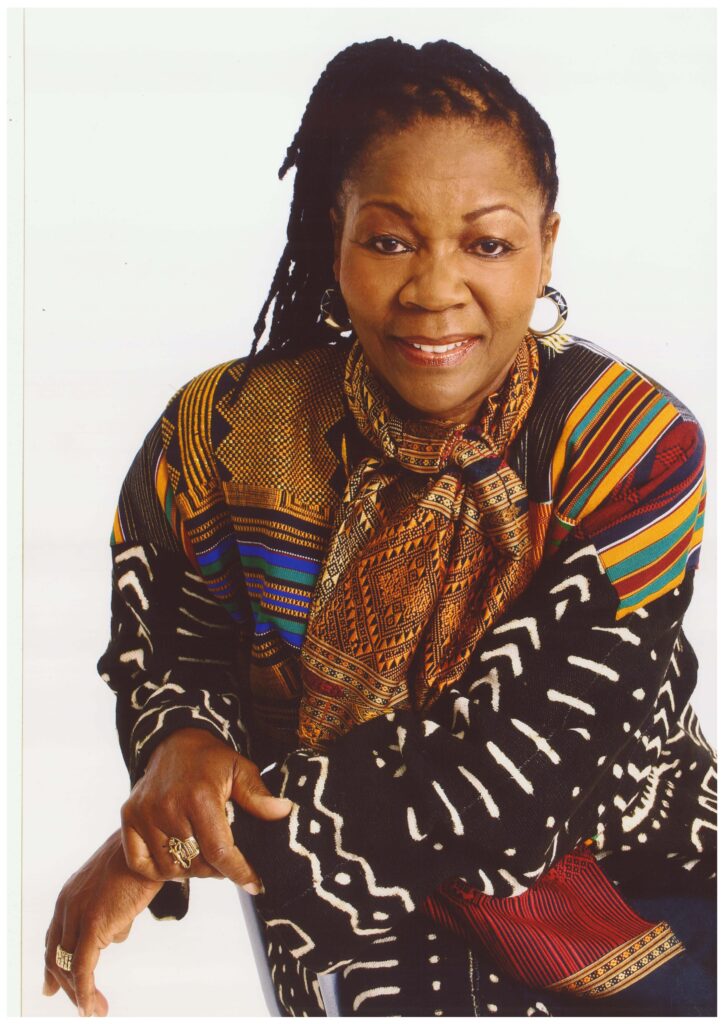
CAPTION: LETTA MBULU
It is all of this that has been betrayed by the unchanging society – that once prided itself of being product of those struggles, holding promises of those marches, dreams and hopes that seem to no longer hold water by people in power.
Pepped up by those songs of black pride, consciousness was in the air. I extolled the sunlight of daytime as much as I revered the darkness of the night. Night had ceased being a curse but a blessing to put to sleep dreams of our labour to rest to amass energy by sunup to wake up to another labouring day to be not only free but human again.
Skin lightening to bleach black skins to approximate whiteness gave way to acceptance for blacks to stay comfortable in the castle of their skins. European/Christian/White names parents gave their children similarly yielded in deference to African/Indigenous/Black names.
High fives, a forest of clenched black power fists raised aloft to punch the sky. The earth became familiar with the slogans: I am black and I am proud; Black is beautiful; The Supreme Being knows us, loves us just the way we are. Black people were no longer inundated with the need to go on changing trying to be like colonisers, dispossessors, oppressors.
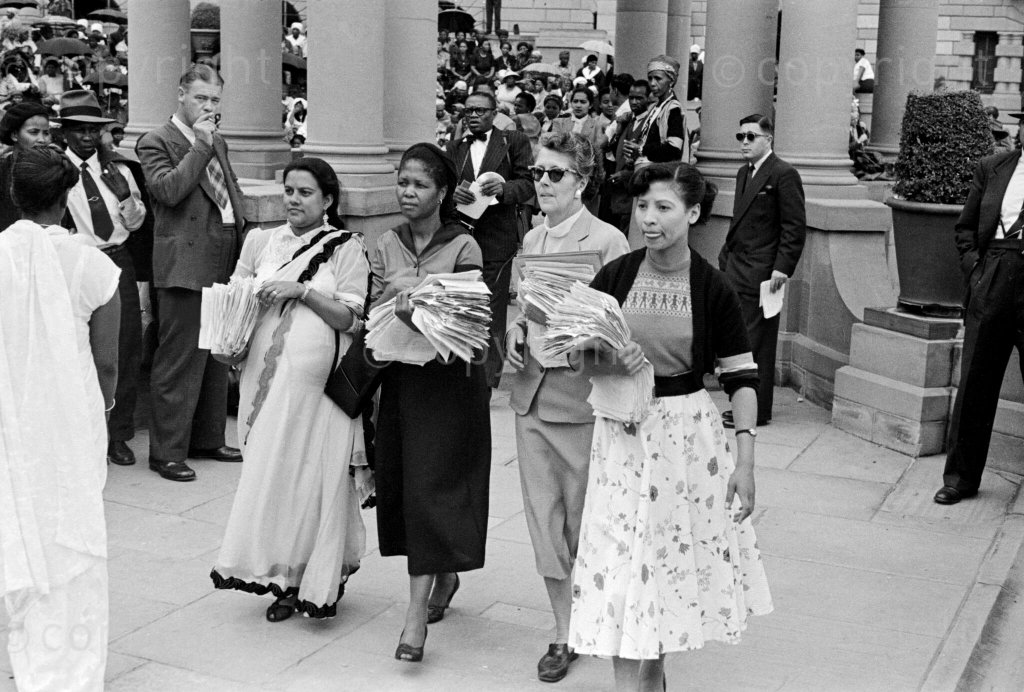
CAPTION: WOMEN MARCH TO THE UNION BUILDINGS
Heads began wearing Afros for our hair. Bellbottom trousers, Dashiki shirts came in for our wear. This was not a fashion statement to come and go. It was a statement of black experience to embrace and stay without end. Thinking Heads were kept high. The skies above ceased to be measures of our limits but took notice of the infinite confidence of blackness ringing changes of the proud presence stamping on the ground.
Buoyed spring in our feet began to walk tall. High-heeled shoes kept pace with growing consciousness sweeping through the country. Beads worn as necklaces, accessorised for liberation looks. Despite conditions of oppression, Blacks were a soulful picture of happy people looking and finding themselves assured that the Supreme Being, that built the universe, knows them. The Creator knows us. We are not misfits of the master plan that creation brought with it.
The year was 1973. It was on the eve of the collapse of Portuguese colonial rule in Mozambique. And when Frelimo stormed into power, for SASO (South African Students Organisation) to defiantly hold the Viva Frelimo rallies, Muntu ka Myeza was the unshakeable, towering and trusted publicity secretary vowing: “Kruger or no Kruger, we are going ahead.”
For the banned rallies that ka Myeza was the face and voice of, treason charges were formulated against the SASO/BPC 9 (Black People Convention):
● Saths Cooper
● Zithulele Cindi
● Mosioua Lekota (late)
● Nchaupe Mokoape (late)
● Strini Moodley (late)
● Muntu Myeza (late)
● Pandelani Nefolovhodwe
● Nkwenke Nkomo
● Kaborone Sedibe
The Trial lasted 18 months: January 31, 1975 – December 21, 1976. All sent to Robben Island for imprisonment.
Black families lost their sons, boys, fathers and their husbands to see their girls, women and wives dance alone to the unyielding, unrelenting song of life. Some of their agonies – husbandless and unassisted child-rearing struggles, due to detention, assassination, imprisonment and exile – are untold.