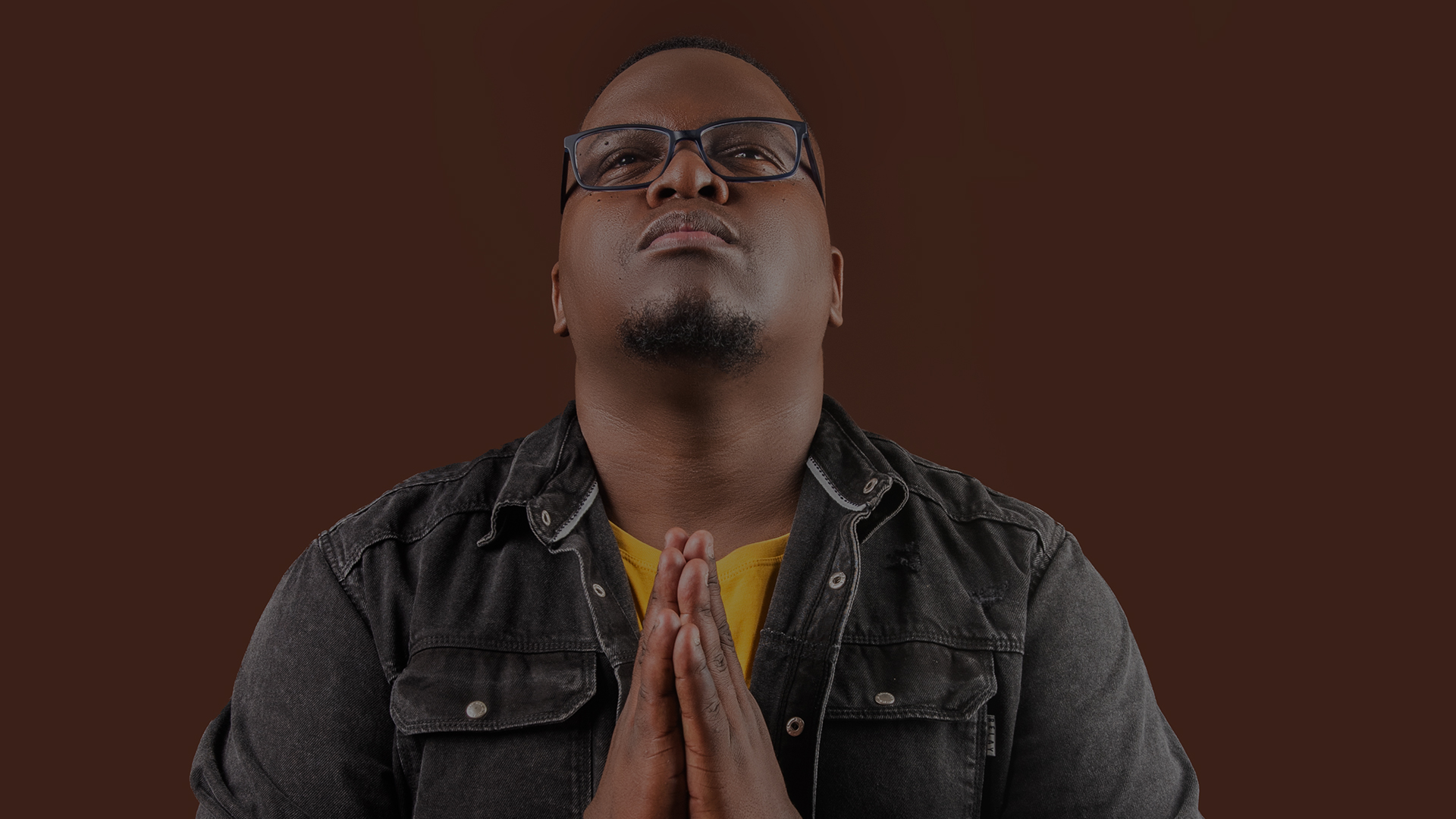

MAIN PHOTO: SOL PHENDUKA
OPINION: IDO LEKOTA
The backlash against comments made on Podcast and Chill about the disappearance of Elizabeth “Tsontso” Moselakgomo has reignited an important debate in South Africa: where do we draw the line between freedom of expression and the normalisation of cruelty?
The podcast faced severe online backlash following insensitive comments made about the tragic murder of the 38-year-old South African runner. Moselakgomo went missing after going for a jog in Rhodesfield, Kempton Park. Her body was later tragically discovered. Her death drew national attention to the recent horrifying string of murdered women in Ekurhuleni. According to police reports nine women have been found dead in Ekurhuleni in the past two months.
During a recorded segment of their podcast, hosts MacG and and Sol Phenduka discussed her disapeearance. Phenduka made a pun joke regarding her race number. When clips resurfaced after confirmation of her death, the public condemned the hosts for being callous and making light of gender-based violence.
Phenduka has since apologised to South Africa and deceased’s family. He acknowledged that the joke was distasteful and “not funny anymore” in light of the tragic outcome of the runner’s disappearance
Predictably, many defenders of the podcast have fallen back on a familiar refrain: “It’s just a joke.” “People are too sensitive.” “Freedom of speech.” But these responses miss the point entirely.
The issue is not whether podcasters have the right to say offensive things. In a constitutional democracy, they do. Freedom of expression is one of the cornerstones of an open society. It protects unpopular opinions, uncomfortable truths and controversial viewpoints. Without it, dissent and democratic debate become impossible.
The real question is not whether people are free to speak. It is whether influential voices should use that freedom to mock, objectify and humiliate those who already occupy the most vulnerable positions in society.
South Africa is not a country debating these questions in a vacuum. We are a nation burdened by epidemic levels of gender-based violence, deeply entrenched misogyny and staggering inequality. Women continue to face violence at alarming rates. Poor and working-class communities remain marginalised. Many victims of crime and abuse struggle to have their stories heard, let alone treated with dignity.
Against this backdrop, turning a missing woman’s story into humour is not merely tasteless. It reflects a broader culture in which the suffering of certain people is treated as entertainment.
Words matter because they help shape social norms. Repeatedly portraying women as objects of ridicule, or treating victims as punch lines, contributes to a social environment where empathy is diminished and dehumanisation becomes normalised. No single joke causes gender-based violence. No podcast episode creates misogyny.
But cultural attitudes are built cumulatively, through countless messages about whose pain matters and whose pain does not.
The defence that “everyone is fair game” also rings hollow. In practice, there is a significant difference between challenging the powerful and mocking the powerless. Satire has long played an important democratic role because it speaks truth to power. It exposes corruption, hypocrisy and privilege. But when humour is directed at victims, struggling communities or marginalised individuals, it ceases to be an act of resistance and becomes an exercise in domination.
The distinction is simple: punching up holds power to account; punching down reinforces existing inequalities.
This is why the debate cannot be reduced to censorship. Nobody is arguing that controversial podcasters should be jailed or silenced by the state. The Constitution protects their right to speak. Equally, it protects the public’s right to condemn what they say, to challenge their sponsors and to withdraw support from content they find harmful.
Freedom of expression is a legal principle. Respect and responsibility are moral ones.
In a society as fractured as South Africa, influential media figures have a choice. They can use their platforms to provoke thought, challenge prejudice and encourage meaningful conversation. Or they can exploit outrage and humiliation for clicks, views and advertising revenue.
The public outrage surrounding this controversy suggests that many South Africans are growing weary of the latter.
Freedom of speech remains essential. But we should stop pretending that every use of that freedom is equally valuable. A society committed to human dignity must be able to distinguish between speech that expands our humanity and speech that diminishes it.
Having the right to speak does not absolve us of the responsibility to ask: who is being harmed, who is being ridiculed and whose humanity is being sacrificed for entertainment?
That is the conversation South Africa should be having.