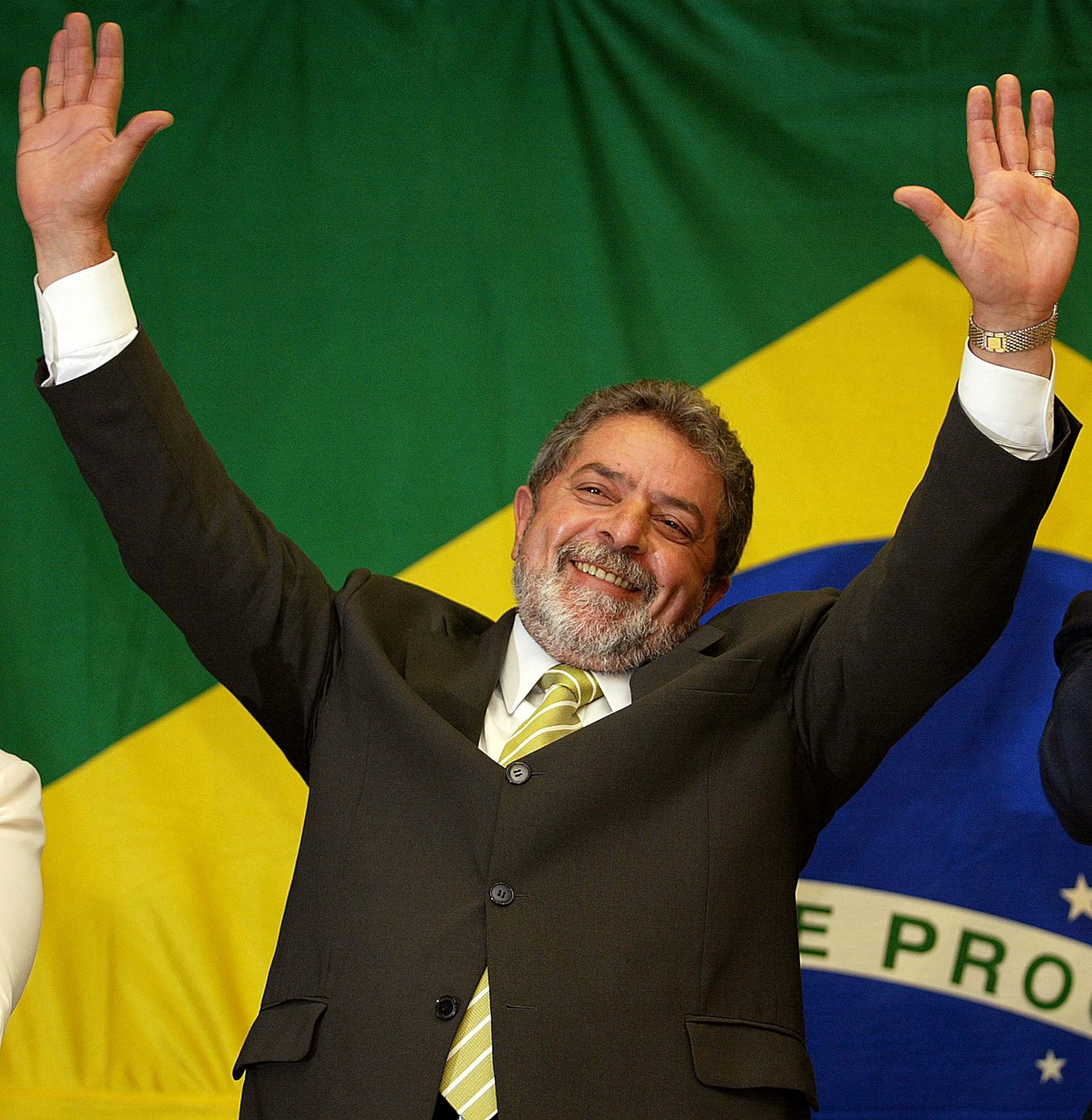

CAPTION: LULA DA SILVA
VIEWPOINT: Oupa Ngwenya
Lula’s Phoenix-like comeback, against those who assumed him dead and gone, looked like mission impossible. Incredible.
His detractors did not foresee it. The returning Brazilian president, Luiz Inácio Lula da Silva, was the least expected of winners. His triumph can be coded simply: victory for Lula.
Yanis Varoufakis, Greece’s former finance minister, was once told by the Eurogroup that ‘elections are not supposed to change economic policy or effect fundamental change’.
Before Lula stand many rivers to cross and mountains to climb. Shouldering the will of the people will not be smooth sailing. But weighing in his favour is a demonstrated ability to find a way where there is will. Some of his counterparts hardly have a will to write home about.
He has shown political will before. He reversed privatisation within hours of returning to office, and that triggered the plans to see him gone. He survived them.
Now the real battle begins. At times hope is all that is left to hang on to, and prisoners of hope seem to be the ties that bind the suffering.
If elections are not supposed to change economic policy, what are elections for?
Who told Varoufakis that, and who benefits when ballots change faces but never the circumstances that propel presidents into office?
Barack Obama’s historic feat as the first black president of the United States, like Nelson Mandela’s before him, did not bring the humanising change that would make America the force for good it claims to be.
Why did the western press pronounce Lula dead and buried, yet he rose? What did he do in his first hours that made oligarchic power decide he must go?
Will he be allowed to execute his mandate, or will markets, ratings agencies, IMF whispers and private media rain obstacles on Brazil’s victory parade until he obeys?
What does Brazil do with BRICS if it delivers? If Lula shows that people-centred power can reverse privatisation, what does that mean for Azania, where public power is still flagged as abuse of the betrayed and struggling?
Is democracy the trip to the ballot, or the delivery after? It has been battered into meaning periodic voting while lives stay betrayed. When will the will of the people mean material deliverance for the struggling majority, not just a vote?
Will the new word for people-centred politics be coined in Brasilia, or will Brazil keep importing words from Davos to make its speech palatable to the media?
It comes down to how far ‘the world’, read imperial western capitals, will allow the will of the people to be respected, or stand against it.
South Africa, weep not for Brazil but for yourself. For 32 years your ‘new’ dawn has been a nightmare. The foul breath of the old order has pumped the oxygen out of this beautiful, beautiful land, and you have been made to bend the knee to remorseless white privilege, hell-bent on keeping you marking time with racism until the betrayed liberation project sadly mimics the past.
The new flag, the new fused anthem of warring wishes, the new coat of arms and the world’s best constitution have all been unresponsive to the plight of the suffering.
Whether mandate execution follows electoral victory is a space to watch. Will the word ‘democracy’ derive its coinage from Lula’s post-election success or failure? It remains a question, and the wall patiently waits for answers.
All that is left to say is: Qaphela (stay aware, isiZulu). Sikiliza (heed, kiSwahili). Lebela (watch, seTswana). Sisonke (we are together, isiZulu). When Obama became US president we thought we were together, yet the changes that would have made his inspirational speeches more than a plea for votes did not follow.
On the line are Botho Barona and Ubuntu Bethu, what the late Prof Mbulelo Mzamane called the ‘Usness of Us’. Azania, tell me, where is your dawn?