
Lucky Nyathi | PiE+ | Reviews | 11 November 2026
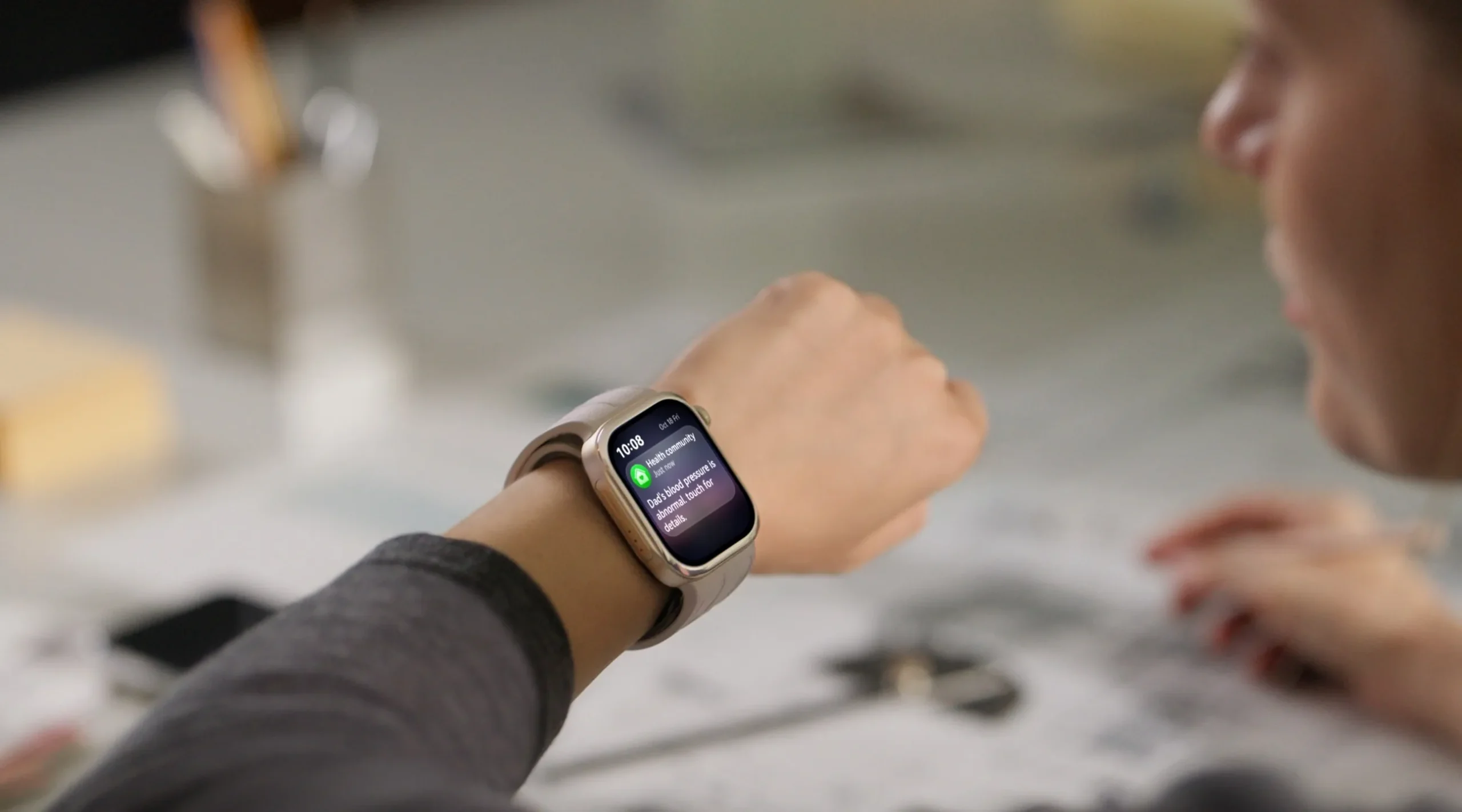
The Huawei Watch D3 is one of the few smartwatches where the headline feature is real hardware: a tiny pump and an inflatable cuff hidden in the strap that takes a proper blood pressure reading on your wrist. Reviewers are largely impressed, but the watch has clear limits as a general-purpose smartwatch. Here is how it performs, what it costs and who should buy it.
Design and comfort: a cuff you barely notice
The Watch D3 looks like an ordinary rectangular smartwatch. It is 11.3 mm thick, has an aluminium case and weighs about 40 g without the strap. That is a clear step down from the older Watch D, which was 13.6 mm thick, and Huawei has also made the strap lighter and the airbag narrower. Digital Trends wore it for more than a month and said it never felt like medical equipment, even overnight, though the strap trapped a little sweat on warm days.
Comfort is the one area where opinions differ. TechRadar found the mechanical airbag slightly uncomfortable and wanted a display that runs closer to the edges, while Digital Trends noted that fit depends on wrist shape. Huawei includes different airbag sizes and a wrist-measuring tool in the box, and it is worth taking the extra minutes at setup to get the size right.
Blood pressure monitoring: the reason to buy it

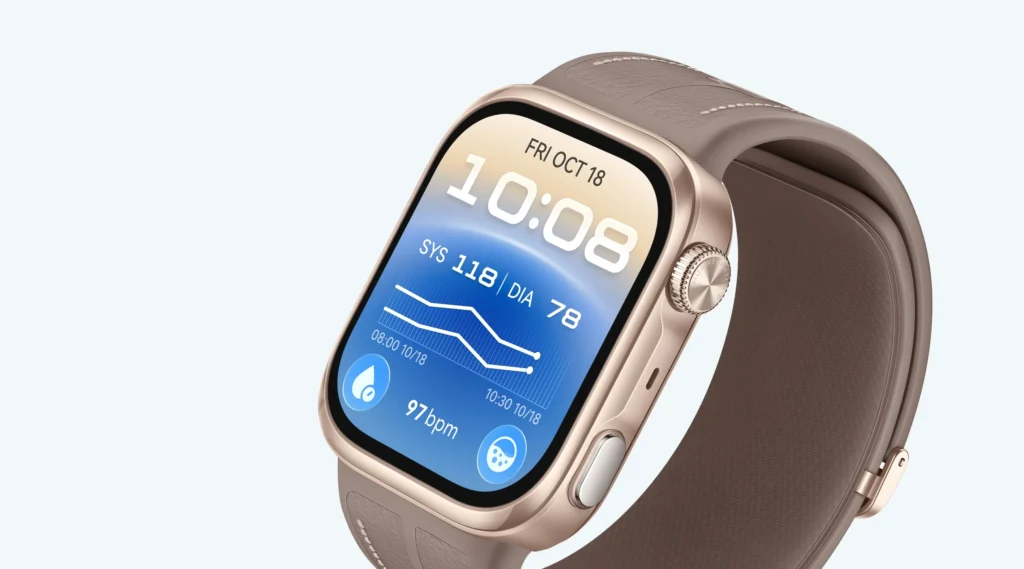
Supports 24-hour auto-monitoring plan, with professional ABPM reports provided.
A reading takes about 30 seconds. The strap tightens around your wrist in what one reviewer described as a firm grip rather than anything painful. You need to sit still with your arm at roughly heart height, and the watch will tell you to stop if you talk or move. Beyond single readings, the D3 offers 24-hour ambulatory monitoring (ABPM), which takes readings about every 30 minutes through the day and night, plus measurements before and after exercise. Digital Trends said the overnight readings did not wake its reviewer, and that the reports are clear enough to show a doctor.
Accuracy is where reviewers are not fully aligned. PhoneArena and Android Headlines found the readings accurate, and Digital Trends points to outside tests that put the watch generally within 5 mmHg of an upper-arm cuff, although it did not run that comparison itself. T3, however, found the D3 read about 16 mmHg lower on systolic and about 5 mmHg lower on diastolic than its reference monitor across three tests, a consistent gap it said it could not ignore. The sensible reading is that the D3 is best for tracking trends over time, not for diagnosing yourself from one number. The blood pressure functions carry CE-MDR medical-device certification in Europe, but none of that replaces advice from a doctor.
Display, battery and everyday features
The 1.92-inch AMOLED screen reaches up to 3,000 nits, and reviewers found it bright, sharp and easy to read in direct sunlight. The older Watch D peaked at 1,200 nits. Battery life is a strength: Expert Reviews measured around six days with the always-on display, workouts and several blood pressure checks a day, and Digital Trends also saw about six days with the always-on display switched off. The exception is ABPM mode, which uses the pump dozens of times and is rated for roughly one day. Huawei claims a full wireless charge takes about 75 minutes.
Calls, notifications, music controls and NFC are all there, and the watch works with both Android and iPhone. There is no cellular connection and no Wi-Fi, which suits a health-focused watch you wear with your phone nearby.
Fitness and wider health tracking
The D3 tracks dozens of workout types, plus ECG, heart rate variability, SpO2, sleep, stress and temperature. Expert Reviews found its heart rate readings within about 1.8 percent of a Polar H10 chest strap and GPS distance within 1 percent. TechRadar had trouble with repeated poor signal on ECG measurements, though its arrhythmia analysis worked well.
This is not a watch for serious athletes or swimmers. Digital Trends advises against swimming with it despite the IP68 rating, because of the airbag system, and recommends Huawei’s GT 7 Pro for rugged, outdoor use.
Software and what is missing
Huawei Health does a good job of turning complicated medical data into readable reports, but reviewers call it cluttered and the third-party app selection is small. Expert Reviews noted there is no native turn-by-turn navigation, and the built-in voice assistant only works when the watch is paired with a Huawei phone running HarmonyOS. Digital Trends says the software still trails Wear OS and watchOS for polish and apps.
Huawei Watch D3 specs
| Specification | Huawei Watch D3 |
|---|---|
| Display | 1.92-inch AMOLED, 408 x 480, up to 3,000 nits |
| Case and thickness | Aluminium alloy, 11.3 mm |
| Blood pressure | Inflatable airbag, oscillometric; single, 24-hour ABPM and pre/post-exercise modes |
| Connectivity | Bluetooth 6.0, NFC, speaker and microphone; no cellular or Wi-Fi |
| Phone support | Android 8.0 or later, iOS 13.0 or later |
| Battery | Up to 6 days typical, about 1 day with ABPM |
| Charging | Wireless, about 75 minutes claimed |
Price and availability
The Watch D3 costs £399.99 in the UK and €449.99 in Europe. Digital Trends lists a $500 US price but says there is no official US release. We did not find confirmed pricing or availability for African markets, so check Huawei’s local channels before planning a purchase, and remember that some health and payment features depend on region.
Verdict: who should buy the Huawei Watch D3
If you have no reason to monitor your blood pressure, the D3 is an expensive way to get a good but ordinary smartwatch, and rivals from Samsung, Google and Apple offer richer app ecosystems. If you do need regular readings, whether for yourself or a parent, it is the most convincing wrist-worn option reviewers have tested: a genuine cuff measurement on demand, all-day and overnight monitoring, a bright display and nearly a week of battery. Digital Trends gave it an Editors’ Choice award. The caveats are comfort that varies from wrist to wrist, a software ecosystem that lags the big platforms, and the accuracy gap T3 found. Treat it as a tracking tool and take any worrying trend to a doctor.
How this review was put together: PiE+ has not run its own lab tests. This review draws on Huawei’s specifications and published hands-on tests by Digital Trends, TechRadar, T3, Expert Reviews, PhoneArena, Android Headlines and Stuff, with findings attributed to each.