By Happy Zondi
Imagine a future where diagnosing diseases isn’t just about a doctor’s intuition; it’s about harnessing the power of artificial intelligence. Where patients in remote villages have access to world-class specialists, not just through a long, arduous journey, but through a simple video call. This future is not science fiction; it’s being built right now, thanks to the incredible potential of Natural Language Processing (NLP).
This article explores how NLP is transforming the South African healthcare landscape, from supercharging diagnoses to bridging the gap between rural and urban healthcare. Prepare to be amazed at how AI is revolutionising the way we experience medicine.
Decoding the Human Language: What is NLP and How Does it Work?
At its core, Natural Language Processing (NLP) is a branch of Artificial Intelligence (AI) that enables computers to understand, interpret, and generate human language. This involves analysing text and speech, extracting meaning, and even generating human-like text in response. In healthcare, NLP empowers machines to:
- Analyse medical records: Sifting through vast amounts of patient data, research papers, and clinical notes to identify patterns and potential diagnoses.
- Interpret medical images: Analyse images like X-rays and MRIs, identifying anomalies that might be missed by the human eye.
- Power conversational AI: Enabling chatbots to interact with patients, answer their questions, and provide personalised health advice.
- Translate medical information: Facilitate communication and access to global medical knowledge by translating medical texts and documents into different languages.
- Generate medical reports: Automate tasks like report writing, summarising patient records, and generating personalised treatment plans.
Supercharging Diagnoses: How NLP is Revolutionising Medical Decision-Making
One of the most significant impacts of NLP in healthcare is its ability to enhance diagnostic accuracy.
- AI-powered diagnostic tools can analyse patient data, including medical history, symptoms, and lab results, to identify potential diagnoses and recommend appropriate treatment options.
- By analysing vast amounts of medical literature, NLP algorithms can help doctors stay abreast of the latest research and identify emerging treatment options.
- This not only improves the accuracy of diagnoses but also helps doctors make more informed and personalised treatment decisions for each patient.
- For example, NLP systems can analyse patient data to identify individuals at high risk for certain diseases, allowing for early intervention and preventative measures.
Beyond the Stethoscope: AI-Powered Tools for Medical Imaging
NLP is not limited to text; it’s also revolutionising the analysis of medical images.
- AI algorithms can analyse medical images like X-rays, MRIs, and CT scans, identifying subtle abnormalities that might be missed by human radiologists.
- This can lead to earlier detection of conditions like cancer, heart disease, and other critical illnesses, significantly improving patient outcomes.
- In South Africa, institutions like the Council for Scientific and Industrial Research (CSIR) are leveraging NLP-powered computer vision to analyse medical images and improve diagnostic accuracy.
Your Pocket Doctor: NLP-Powered Chatbots for Personalised Healthcare
Imagine a world where you have access to personalised health advice 24/7. NLP-powered chatbots are making this a reality.
- These AI-powered assistants can answer basic health questions, provide medication reminders, and even offer emotional support to patients navigating challenging health journeys.
- In South Africa, initiatives like MomConnect are using NLP-powered chatbots to provide personalised health advice and support to pregnant women and new mothers.
- HealthQ, a South African healthcare startup, leverages NLP chatbots to engage with patients and offer personalised health advice on a wide range of health concerns.
- These chatbots can also help patients adhere to treatment plans by providing reminders, answering questions, and offering encouragement.
Bridging the Digital Divide: Bringing Healthcare to Rural Communities
In a country with vast geographical distances, access to quality healthcare can be a significant challenge, particularly in rural communities. NLP is playing a crucial role in bridging this divide.
- Telemedicine platforms powered by NLP enable remote consultations between patients in rural areas and specialists in urban centres.
- This allows patients in remote communities to access expert medical advice without the need for long and often costly travel.
- NLP-powered tools can also translate medical information into local languages, improving health literacy and access to information for underserved communities.
- This can help to reduce health disparities and ensure that all South Africans have access to quality healthcare, regardless of their location.
Combating Chronic Diseases: NLP’s Role in Preventing and Managing Health Challenges
Chronic diseases like HIV/AIDS and tuberculosis pose significant challenges to the South African healthcare system. NLP is playing a vital role in combating these conditions.
- NLP-powered tools can help track outbreaks, monitor treatment adherence, and provide personalised support to patients living with these conditions.
- By analysing patient data and identifying potential risk factors, NLP can help healthcare providers proactively address these challenges and improve patient outcomes.
- For example, NLP algorithms can analyse patient data to predict potential outbreaks of infectious diseases, allowing public health officials to take proactive measures to prevent their spread.
The Future of Healthcare: A Human-AI Partnership
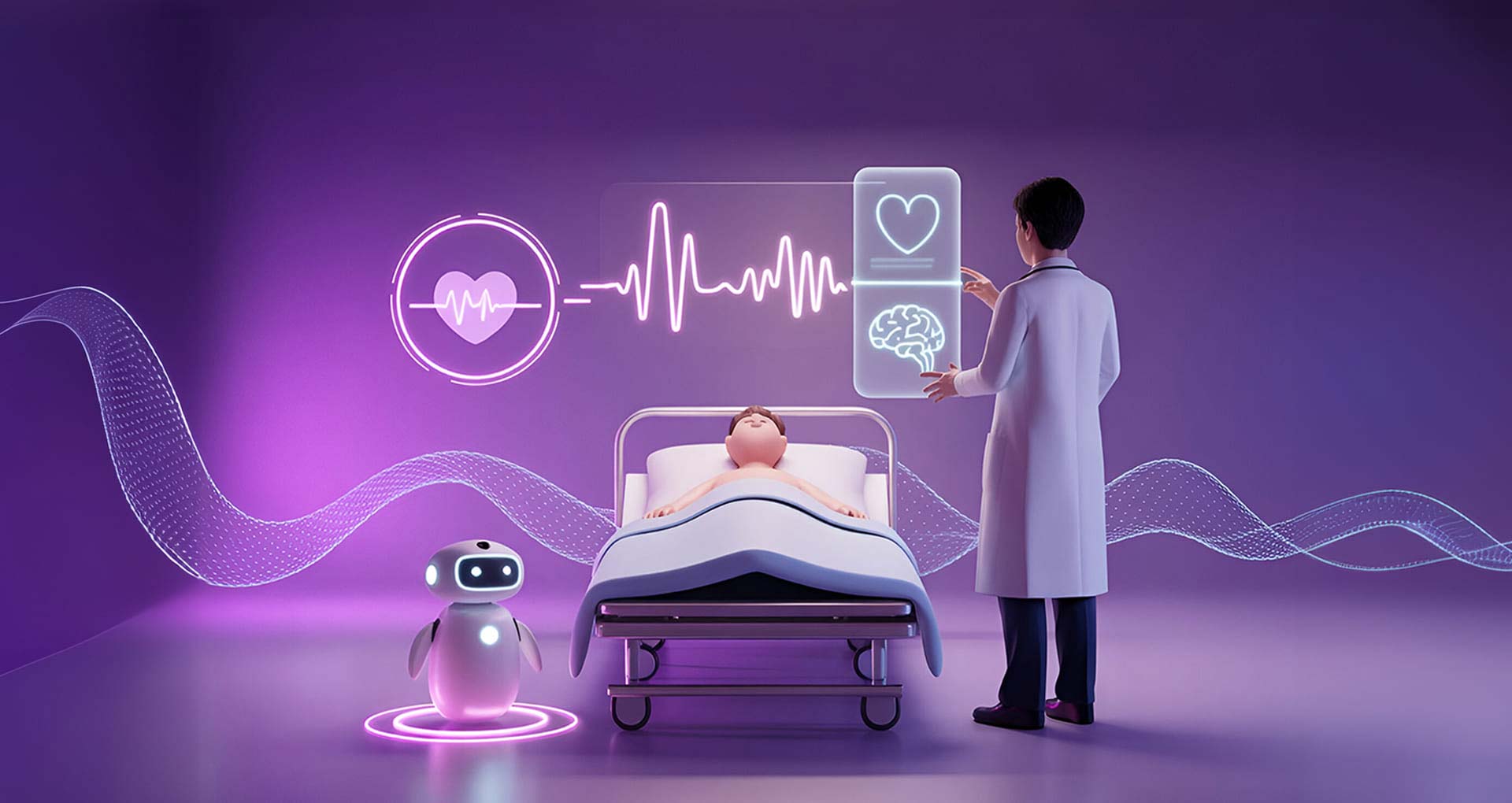
It’s crucial to remember that NLP is not about replacing doctors; it’s about empowering them. By augmenting human intelligence with the power of AI, we can create a healthcare system that is more efficient, more accurate, and more accessible to everyone.
The future of healthcare lies in a human-AI partnership, where doctors and AI work together to deliver the best possible care to patients.
The integration of NLP into the South African healthcare system represents a significant step forward in improving access to quality care, enhancing diagnostic accuracy, and ultimately improving patient outcomes. As NLP continues to evolve, we can expect to see even more innovative applications that transform the way we experience medicine, creating a healthier future for all South Africans.
Disclaimer: This article is for informational purposes only and should not be considered medical advice. Always consult with a qualified healthcare professional for any health concerns.