
By Lucky Nyathi | PiE +
South Africans are used to choosing between a smartphone, a mobile hotspot and a Wi-Fi router. Rain’s Loop takes a very different approach: put connectivity, entertainment and portability into one device.
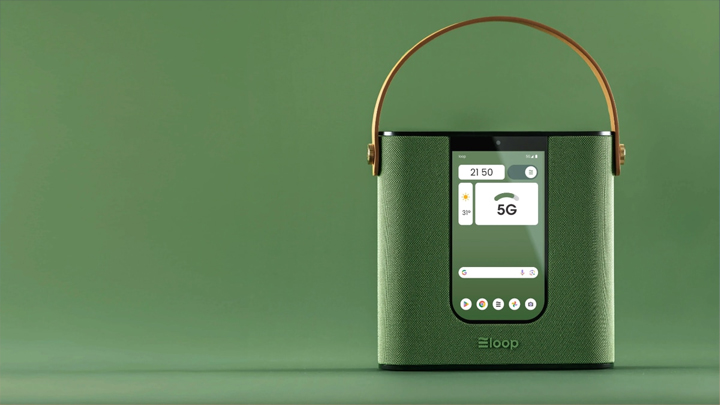
At first glance, the Loop looks like an unusual piece of hardware. It is essentially a portable 5G Wi-Fi device with built-in speakers, a touchscreen and Android functionality, designed to keep users connected while moving between locations.
But the bigger question is simple:
Does combining all these features actually make life easier?
More than just a Wi-Fi router
Rain positions Loop as a device you can carry with you rather than a traditional router that stays at home.
It supports 4G and 5G connectivity, allowing users to share its connection with other devices. The built-in battery means you aren’t permanently tied to a power socket either.
Then there is the entertainment side.
The Loop has built-in stereo speakers and allows music services to be used directly through the device. That means you don’t necessarily need to connect your phone to a separate Bluetooth speaker just to listen to music.
It is an interesting combination — part hotspot, part portable entertainment system.
The LoopZones idea is probably its biggest selling point
The most interesting part of Rain’s offering isn’t necessarily the hardware.
It’s LoopZones.
Users can nominate locations where they want unlimited connectivity, such as their home or workplace. When the Loop detects that it is inside an eligible zone, it switches to unlimited data automatically. Outside those areas, the applicable data allowance is used.
Rain currently advertises the Loop at R699 per month, month-to-month, including one unlimited LoopZone and 10GB for use elsewhere.
That makes the Loop particularly interesting for people who move between a few regular locations rather than needing completely unlimited mobile data everywhere.
Where the Loop makes sense
The device could appeal to:
- Students moving between campus and home
- Remote workers
- Freelancers and digital creators
- Small-business owners
- Travellers
- Families needing portable connectivity
- People who regularly work from different locations
For someone who spends most of their time between a home office, workplace and selected public areas, the zone-based approach could be more practical than paying for unlimited mobile data across the entire country.
But there are compromises
The Loop isn’t a replacement for a conventional smartphone.
And there is an important limitation: Rain’s Loop devices are network locked, meaning they are designed to operate on Rain’s network rather than being freely interchangeable with other operators.
Performance is also dependent on network conditions. Rain describes its connectivity as best-effort, meaning advertised speeds shouldn’t be interpreted as guaranteed minimum speeds.
That makes coverage one of the biggest factors to consider before signing up.
A good Loop experience in an area with strong Rain 5G coverage could be very different from the experience in an area where coverage is weaker.
PiE Verdict
The Rain Loop is one of those products that initially makes you ask:
“Why would I need that?”
But once you understand the concept, the idea starts making more sense.
Rain isn’t simply trying to build another Wi-Fi router. It is experimenting with a different model of connectivity — one where your internet connection travels with you and intelligently changes depending on where you are.
That’s an interesting direction for South Africa, particularly as consumers increasingly work, study, create and entertain themselves from multiple locations.
The Loop won’t be for everyone.
But for the right user, it could replace several pieces of equipment with one portable device.
PiE Rating: 8/10
Best for: Portable connectivity, remote work, students, creators and users who frequently move between selected locations.
Watch out for: Network coverage, best-effort speeds and Rain network lock-in.