
IDO LEKOTA
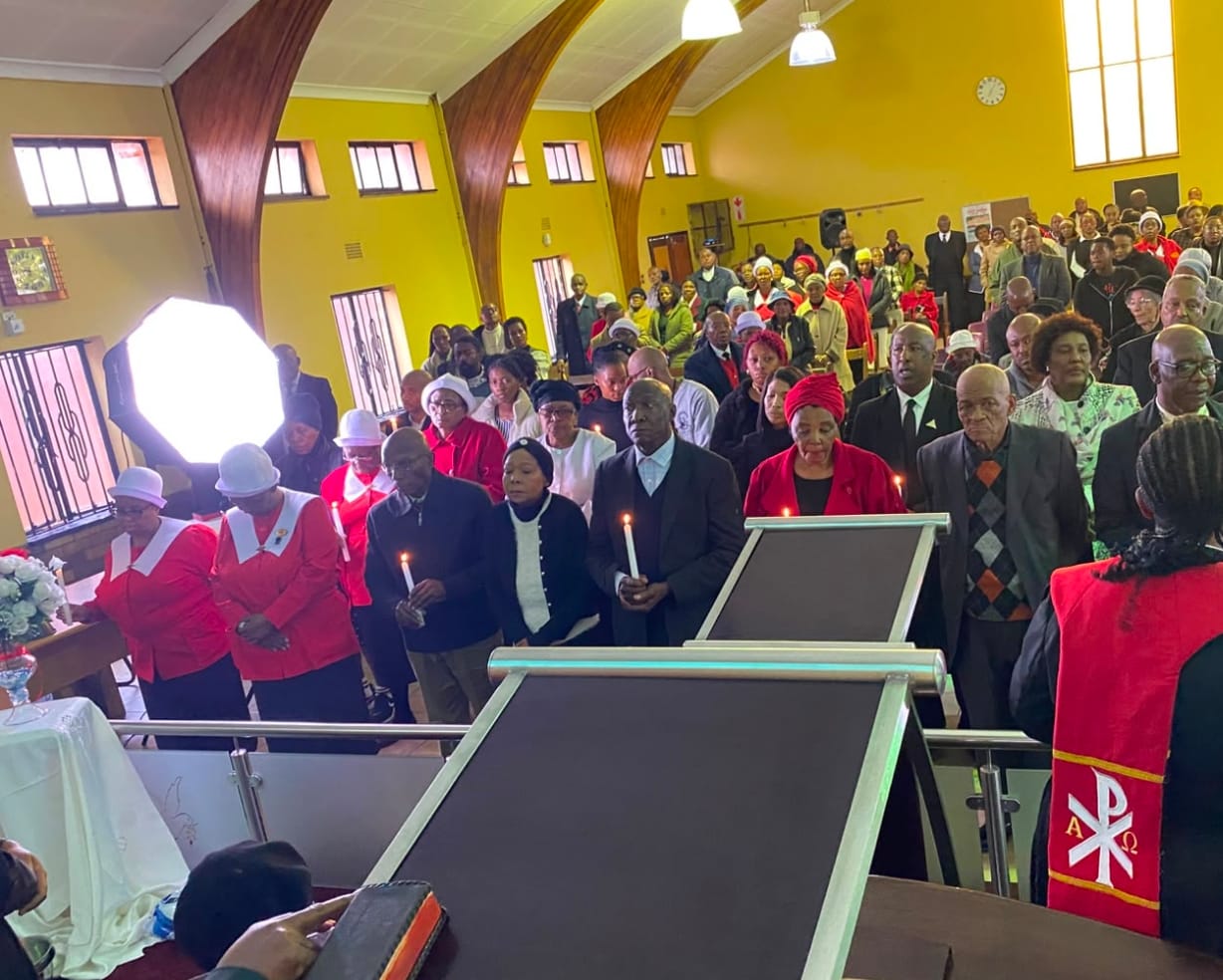
The recent 65th Jubilee of Dube Methodist Church was not merely an anniversary; it was a living parable of joy and conviction, a reminder that faith can be both celebration and struggle, both fragrance and fire. The air was thick with song, laughter, and prayer, as congregants lifted their voices in thanksgiving for a legacy that stretches back to the days when the church was a sanctuary against apartheid’s brutality. Yet beneath the jubilant atmosphere lay a deeper truth: this was a revival, a recommitment to Methodism as a torch of justice, illuminating the path toward a South Africa anchored in equality and faith in a just God.
The story of Methodism in South Africa is inseparable from the story of liberation. In 1912, the African National Congress was born in the humble sanctuary of Waaihoek Methodist Church in Bloemfontein. That choice was profoundly symbolic. The church was a trusted space, free from the gaze of oppressive authorities, and imbued with moral legitimacy. By launching the ANC in a Methodist church, the founders declared that liberation was not only political but spiritual — a struggle for justice rooted in the conviction that God’s image is reflected in every human being. Leaders like John Dube, Pixley ka Isaka Seme, Solomon Plaatje, and Walter Rubusana carried this conviction into their politics. Their faith was not ornamental; it was the wellspring of their leadership. They believed that to serve God was to serve the oppressed, and that the church must be the fragrance of justice in a land scarred by inequality.
As apartheid tightened its grip, the church’s witness deepened. Figures such as Albert Luthuli, a devout Methodist and Nobel Peace Prize laureate, embodied servant leadership rooted in faith, insisting that moral courage was the only legitimate authority. In those years, the church was not merely a place of worship but a fortress of hope, a beacon of justice, and a living testimony to the God of liberation.
It is against this backdrop that the 65th Jubilee of Dube Methodist Church must be understood. The celebration was filled with joy — performers lifting their voices, and people dancing in the aisles. Yet woven into the jubilation was a sober recognition of the challenges the church faces today. Guest speakers spoke candidly of the creeping materialism that threatens to dilute the church’s prophetic voice. Prosperity preaching and status-driven factions risk turning the sanctuary into a marketplace of ambition rather than a house of servitude. Young people, once drawn to the church as a refuge, now often feel alienated, judged by possessions rather than embraced by faith. The very institution that nurtured resilience under oppression now struggles to fulfill its mission of servitude for the benefit of all.
“It is time that the church was a sanctuary for the needy and a platform for the confirmation of our love for our neighbours. Today people are Christians only when in church but outside they do not even know or care whether their neighbour slept hungry the previous night. We go to church for selfish reasons waiting for God to bless us with material things and then ascribe that to us to being rewarded by God for being real believers in him. We then flaunt those blessings without sharing with those in need – which is a basic tenet of Christianity,” lay preacher Dr Noxolo Grootboom averred during an interview.
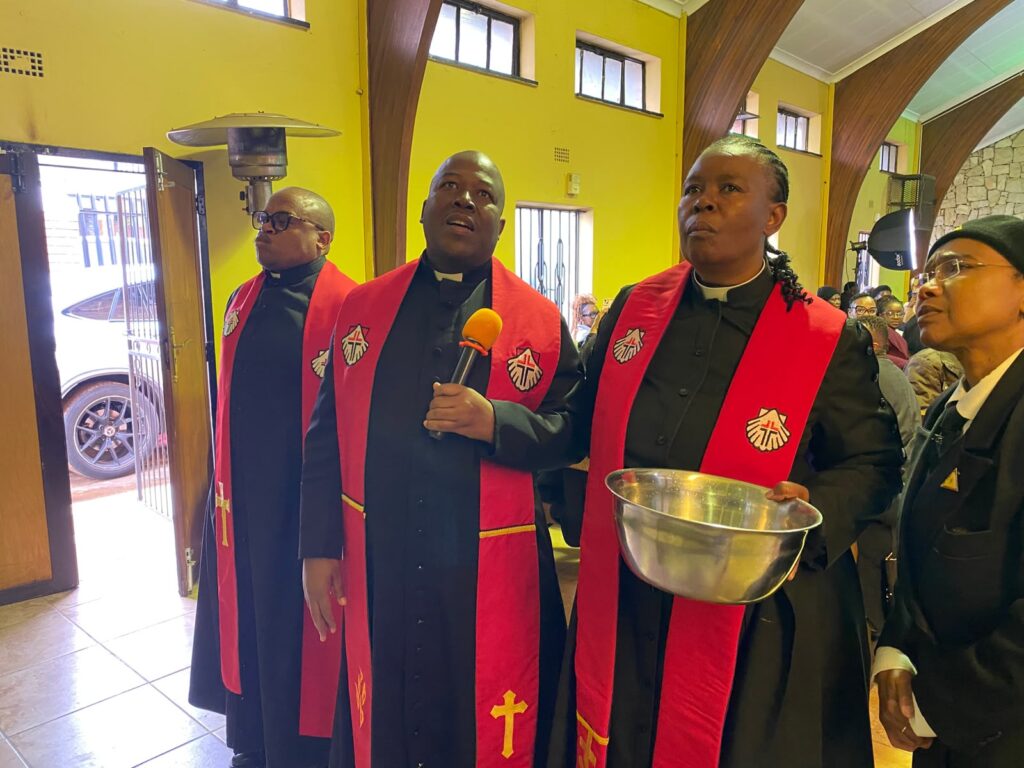
For her, the Jubilee anniversary celebration of Dube Methodist Church was an opportunity to tap into the memories of the founder leaders of the church such as Mr and Mrs Jacob and Violet Godide, Mr and Mrs Simon and Ida Batana who offered their homes for worship services, as well as the various religious leaders including Reverend John S Molope, founding Superintendent Reverend John Wallace, Reverend EE Mahabane, Reverend Levy Masombuka and others who through the church developed the much-needed social capital in the community of Dube. They achieved this through the spirit of Methodism which is about a commitment to social justice.
As co-guest speaker Reverend Sethunya Motlhodi articulated, these leaders understood that Dube village was established by the apartheid government as a “black middle class enclave” but the Methodist Church could not survive without addressing the needy in that neighbourhood. Hence their deliberate intentions in using the church to build equitable social capital. Their actions led to building the kind of solidarity that saw both the spiritual involvement of prominent Dube residents including Dr Nthato Motlana, Dr Sam Motsuenyane, Llewelyn Mehlomakhulu, and Ofentse and Hlehle Mosaka.
In his speech Reverend Sethunya captured the Jubilee anniversary celebration as a revival. He reminded the congregants that their strength lay not in worldly status but in their God-given ability to become “the Fragrance of God” and living witnesses to justice, humility and love. The Reverend called on the congregants to not be like the “peddlers of a religion that define material things as a reward for faith in God.” He urged: “We should become the fragrants of God – which like an expensive perfume cannot be smelled by the wearer but those who interact with them. We must not shout about being born again but allow those who interact with us see by our deeds that we are indeed of God.”
The celebration reminded congregants that their strength lies not in worldly status but in their God-given ability to become “the fragrance of that God” — a living witness to justice, humility, and love. The spirit of Methodism, with its emphasis on holiness, service, and community, was rekindled as a torch to guide South Africa toward equality. The Jubilee called the church to re-center itself on Wesleyan holiness, to reclaim sanctuary for youth, to rebuild its prophetic witness, and to reinvest in community upliftment. It was a reminder that the church’s mission is not nostalgia but renewal — to stand once more with the marginalized, to speak truth to power, and to embody the fragrance of a just God in a fractured society.
The continuity of this story is striking. In 1912, the church gave birth to the ANC, grounding political struggle in spiritual conviction. In the 1970s and 1980s, it offered sanctuary and prophetic resistance, legitimizing liberation in the face of brutal repression. In the 1990s, it helped shape reconciliation and nation-building. Today, it faces the challenge of reclaiming its moral authority in a democracy scarred by inequality and corruption.
The Jubilee was a reminder that history is not a museum piece but a mission. The church must choose again whether to align with power or to stand with the marginalised. To be “One and Undivided” is not merely a slogan; it is a calling to embody the fragrance of God’s justice in every generation.
The 65th Jubilee of Dube Methodist Church was therefore both celebration and critique, both memory and mission. It reminded South Africans that the church’s role in liberation was foundational, and that its future relevance depends on reviving the spirit of servant leadership. The joy of the event was not escapism but renewal — a declaration that faith still matters, that Methodism still carries a torch, and that congregants still believe in their God-given ability to be the fragrance of justice in a wounded land. In their songs, prayers, and testimonies, one could hear the echo of John Langalibalele Dube, Sol Plaatje, Albert Luthuli, and countless others who believed that to serve God was to serve the oppressed. The Jubilee was their legacy reborn, a reminder that the church’s mission is not finished, and that its fragrance must once again fill South Africa with hope.