
IDO LEKOTA
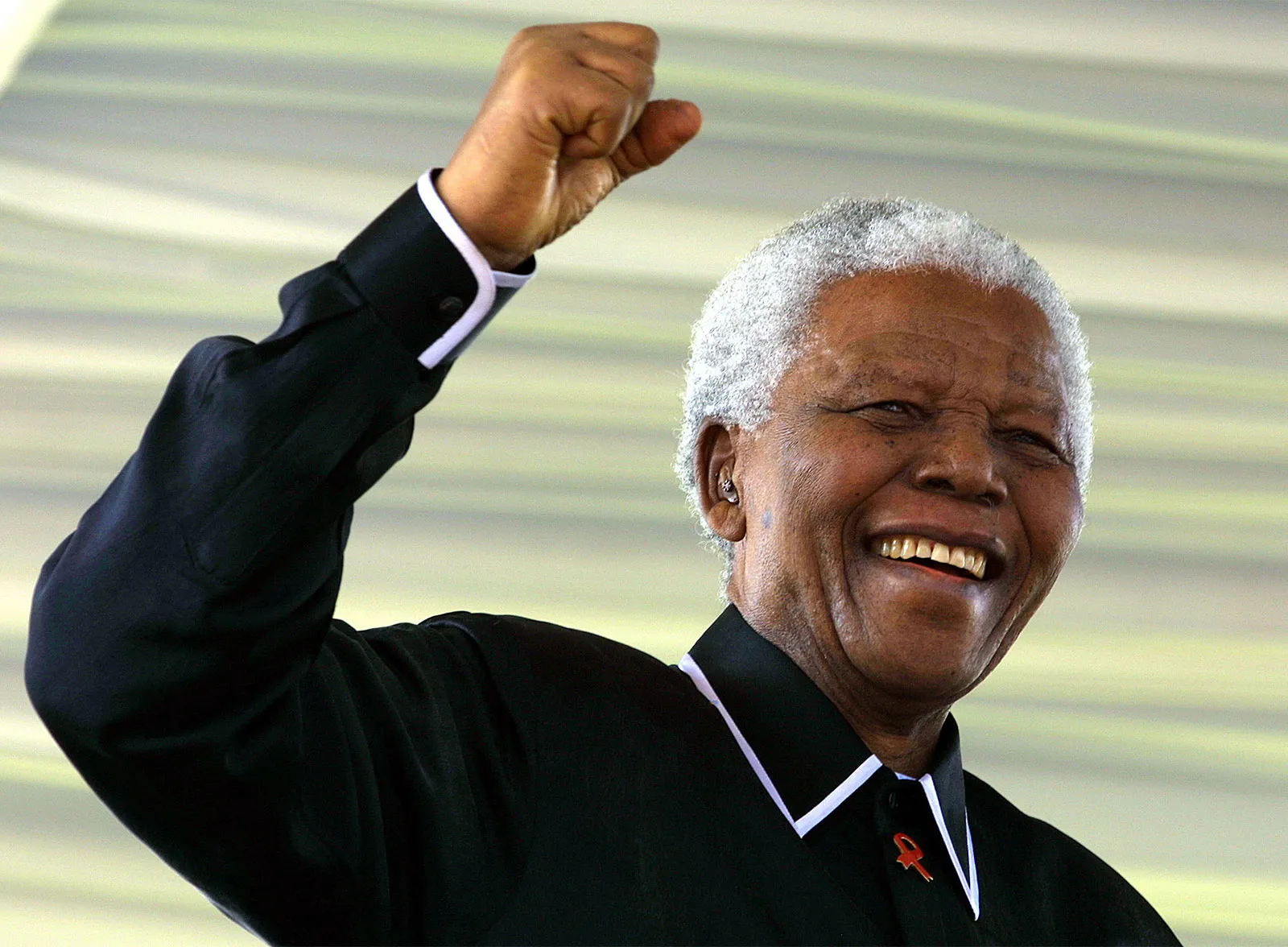
As it is the norm in July, South Africa once again gathered in the warm glow of the late former President NelsonMandela’s birthday.
Public figures spoke of service, communities staged acts of generosity, and the national mood briefly lifted into something close to moral unity. It was a familiar and powerful ritual: a day on which the country remembers its best self, salutes sacrifice, and invokes the promise of a more humane society.
But as the candles fade and the speeches end, the harder truth returns. Poverty remains brutal, inequality remains stubborn, and the state still struggles to convert sentiment into transformation.
That is the recurring tragedy of post-apartheid South Africa. We are a nation deeply capable of public remembrance, but far less willing to confront the structural conditions that keep millions in despair. Mandela’s legacy is often celebrated in language that stresses reconciliation, dignity, and nation-building. Those ideals matter. Yet they are frequently detached from the economic realities that continue to deny dignity to the majority. What the untenable situation that the majority of South Africans find themselves tells us is: It is possible to honour Mandela sincerely and still betray the substance of his dream by leaving intact the systems that reproduce exclusion.
The result is a strange political culture in which suffering can be narrated endlessly, but solutions are treated with suspicion. Poverty may be described in moving terms. Inequality may be condemned in speeches. Unemployment may be declared unacceptable. But when the discussion shifts toward redistribution, stronger state intervention, land reform with real consequences, or strategic nationalisation, the atmosphere changes. What was once a language of justice suddenly becomes a language of risk. The remedies are framed as disruptive, as if the real disruption were not mass joblessness, hunger, and inherited privilege.
This is where the post-Mandela promise begins to fray. The country celebrates the moral authority of its liberation icon while often resisting the economic implications of liberation itself. Mandela symbolised a nation that could overcome division, but unity cannot be sustained by symbolism alone. A country cannot endlessly appeal to memory while postponing material repair. If every year the nation truly come together to honour Mandela, then it should also come together around the unfinished demands of justice: ownership, opportunity, land, work, and dignity.
The problem is not that South Africans lack empathy. It is that empathy has been institutionalised as ceremony rather than converted into policy. We have become very good at national days, commemorations, and moments of solidarity. We are less adept at redistributing power. Yet nationhood cannot be built on the emotional satisfaction of shared remembrance alone. It must be built on tangible changes in whose lives improve, whose assets grow, and whose future becomes less precarious.
That is why the debate over redistribution and nationalisation matters so much. These are not simply ideological slogans; they are tests of whether the state is serious about altering the material foundations of inequality.
In a society still marked by apartheid’s economic architecture, to treat such measures as inherently destabilising is to confuse comfort for consensus. The real instability lies in a social order that asks the poor to remain patient indefinitely while protecting the structures that keep them poor.
South Africa does not need less reverence for Mandela. It needs more courage in translating his moral vision into economic action. The birthday tributes, the volunteer work, the social media praise, and the annual bursts of patriotic feeling all have their place. But they are not enough. If the nation is serious about Mandela’s legacy, then it must stop treating redistribution as a threat and start treating inequality as the greater danger. Only then will the celebration mean more than a beautiful interruption in an otherwise unchanged reality.