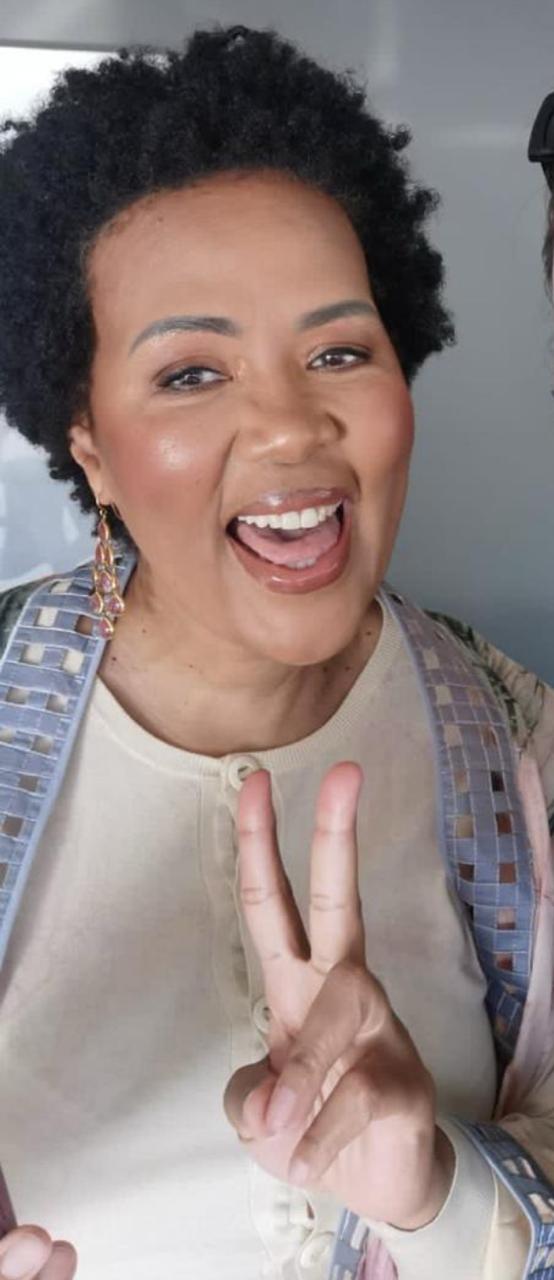

CAPTION: PUMLA BOLANI
LEN KALANE
The man arrived in a wheelchair. A severe stroke the month before had paralysed his entire left side and, by his acupuncturist’s account, shaken his faith that he would ever be himself again.
It was February 2026. Pumla Bolani began treating him right there in the chair. Within the first five minutes of stimulating his brain, she says, he was able to move his paralysed leg.
“I did this to restore his faith that he’ll be alright, because he was devastated at losing his mobility,” she says. He came back on three consecutive Saturdays. By the end, he was walking with only a little help.
Bolani is quick to add context. He came early, she explains, soon after the stroke, when recovery is much quicker. And she is wary of anyone who sells acupuncture as a shortcut.
“Acupuncture is not a miracle bullet. It requires as many treatments as the amount of damage that has already happened to the body.”
— Pumla Bolani
FROM PARALYSIS TO FIRST STEPS: THE HEALING HANDS OF PUMULA BOLANI
After being paralysed, he was told recovery would take months — if at all. In this moving moment, he takes his first steps again after acupuncture treatment by specialist Pumla Bolani.
WATCH: Patient takes first steps after acupuncture treatment with Pumla Bolani.
A leap, not a lurch
Bolani did not begin her working life in a treatment room. Her career has moved through teaching, consulting, banking and executive recruitment, a résumé that many would call a ladder and that she describes, more simply, as a series of doors she was willing to walk through.
“Moving through different careers meant being willing to embrace change and explore new possibilities,” she says. “Each transition brought a different perspective and experience.”
Through all of it, something else kept tugging. “My interest in healing and wellness continued to draw me towards natural healing modalities,” she says. She wanted work that would put her directly alongside people, “partnering with them in something very personal and impactful: the restoration of their health.”
In 2012 she turned that pull into a practice. Abundance Natural Health opened its doors, and Bolani set about studying a range of natural modalities before settling on acupuncture for one reason: “the depth of healing it provides.”
The philosophy that anchors her work is disarmingly simple, and she delivers it with a smile you can almost hear.
“Our bodies have an innate ability to heal themselves. They must just be given the right motivation. Needles are the best motivator.”
— Pumla Bolani
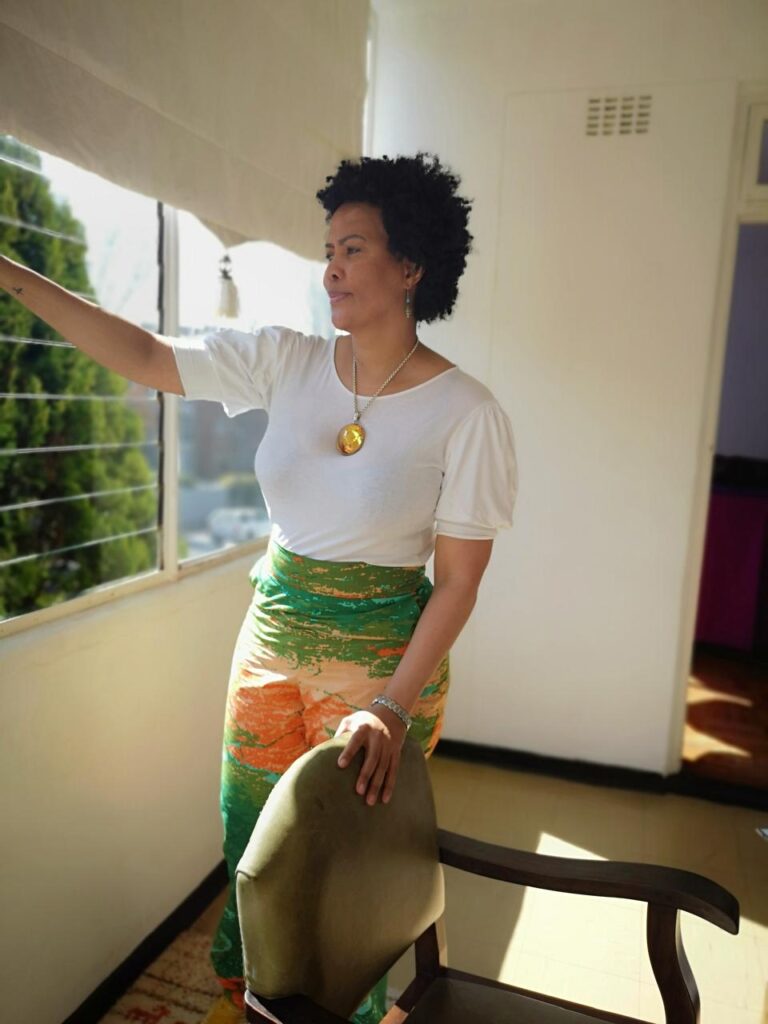
CAPTION: PUMLA IN HER PRACTICE ROOM
She did not take shortcuts to credibility. Bolani has trained in India, Thailand and Greece and continues to study through online courses. Every consultation begins the same way, with a moment few clinics advertise: “Before I start any treatment, I pray. It helps me to focus and sometimes pick up things that might require me to change my treatment plan.” Most of her clients, she says, do the same.
What is acupuncture, exactly?
For readers who have only ever seen it in a film, or heard about it from a friend of a friend, the basics are worth knowing.
Acupuncture is among the oldest continuously practised healing systems in the world. It began in China more than two thousand years ago and rests on a view of the body as a connected whole. Practitioners hold that vital energy, known as qi, travels along pathways called meridians. When that flow is blocked or unbalanced, illness follows. Hair-thin needles placed at specific points are intended to restore the flow.
The most celebrated early text, the Huangdi Neijing, or Yellow Emperor’s Inner Classic, set out these ideas in the centuries before the Common Era. From China the practice travelled through Korea, Japan and Vietnam, and reached Europe by the seventeenth century through missionaries and traders. In 1971, a New York Times reporter travelling in China ahead of President Nixon’s historic visit wrote about the pain relief he received after emergency surgery, and Western curiosity surged. In 2010, UNESCO placed acupuncture and moxibustion on its list of the Intangible Cultural Heritage of Humanity.
It is a practice with deep roots in Asia, and it has long since become a global one. In South Africa it is a registered profession, practised alongside conventional medicine by those who have completed formal training.
Scientific opinion is nuanced. Research is strongest for certain kinds of chronic pain and for nausea, and more debated for other conditions. Bolani’s own framing is characteristically grounded: acupuncture works best, she says, when treatment starts “while the body can still get the strength to fight whatever the condition is.” And when it is too late for that, she adds, it can still make “the end as comfortable and as free of pain as possible.”
Why this story matters
Acupuncture has not traditionally been part of the everyday health conversation in many Black South African communities, where healing has its own rich heritage of herbalists, inyangas, sangomas and faith healers. That makes a Black woman building an acupuncture practice from scratch quietly notable. What the traditions share, however, is just as striking: a belief that the body, mind and spirit are connected, and that healing is something done with a person, not to them.
She said: “Yes, it’s true. This is not an easily available or known healing modality among black communities.”
Bolani does not frame herself as a trailblazer. But the shape of her story, a mid-career pivot into a field where few people around her are visible, is exactly what innovation looks like on the ground. Nobody handed her a map.
The hardest part, she says, is not the work but the explaining. “People don’t know much about acupuncture and how effective it is,” she says. “Building awareness and trust is essential, particularly when people may be unfamiliar with it.” So she teaches wherever she can, especially on social media, demystifying what a session involves and what a healing journey might look like.
She also teaches her clients to read their own progress, a habit she believes changes the experience of recovery. “What means the most to me is seeing clients enjoying being in their bodies again and enjoying their lives fully.”
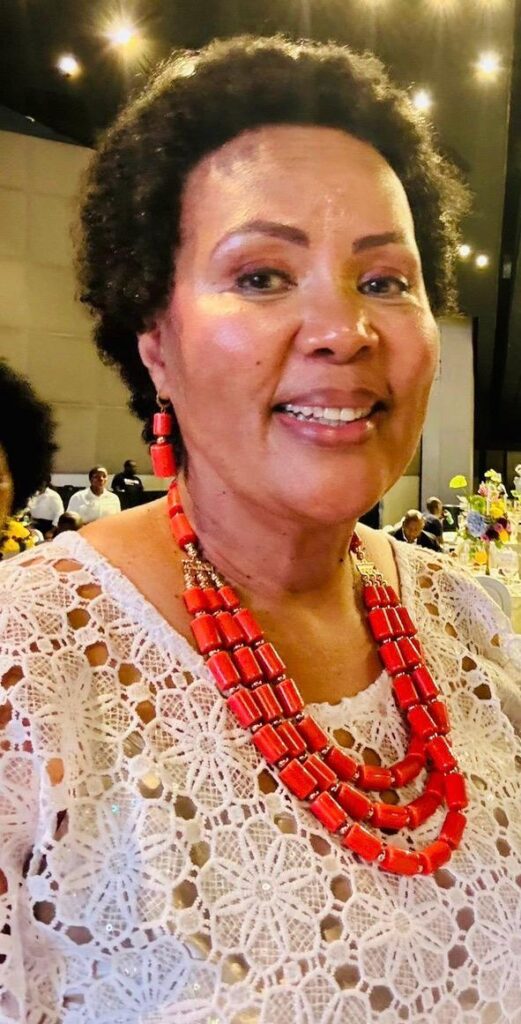
CAPTION: PUMLA BOLANI CAUGHT IN A RELAXED MOOD
The reward
Fourteen years in, Bolani speaks about her work the way some people speak about a calling they stumbled into and never regretted.
“I witness the wonder of someone being off chronic medication and healing from dread diseases when before it was assumed the body had reached a point of no return.”
— Pumla Bolani
Anxiety, skin conditions, emotional pain and serious illness all find their way to her door. What keeps her going, she says, is the moment hope returns. “Seeing clients find joy and hope as they recognise their own progress reminds me why I chose this path.”
Running a practice means juggling the admin, the marketing and the long days. She manages it with planning, discipline and a clear sense of priorities, protecting her time for the people who come looking for help.
What’s next
In five years, Bolani wants Abundance Natural Health to be “an established, trusted practice” with a wider reach, and she wants acupuncture and other natural healing modalities to be better understood by the people who could benefit from them.
Her advice to anyone eyeing a pivot of their own is the kind that only comes from having made several.
“It is never too late to explore a new direction if it is something you feel drawn to. You do not have to have every step figured out before you begin.”
— Pumla Bolani
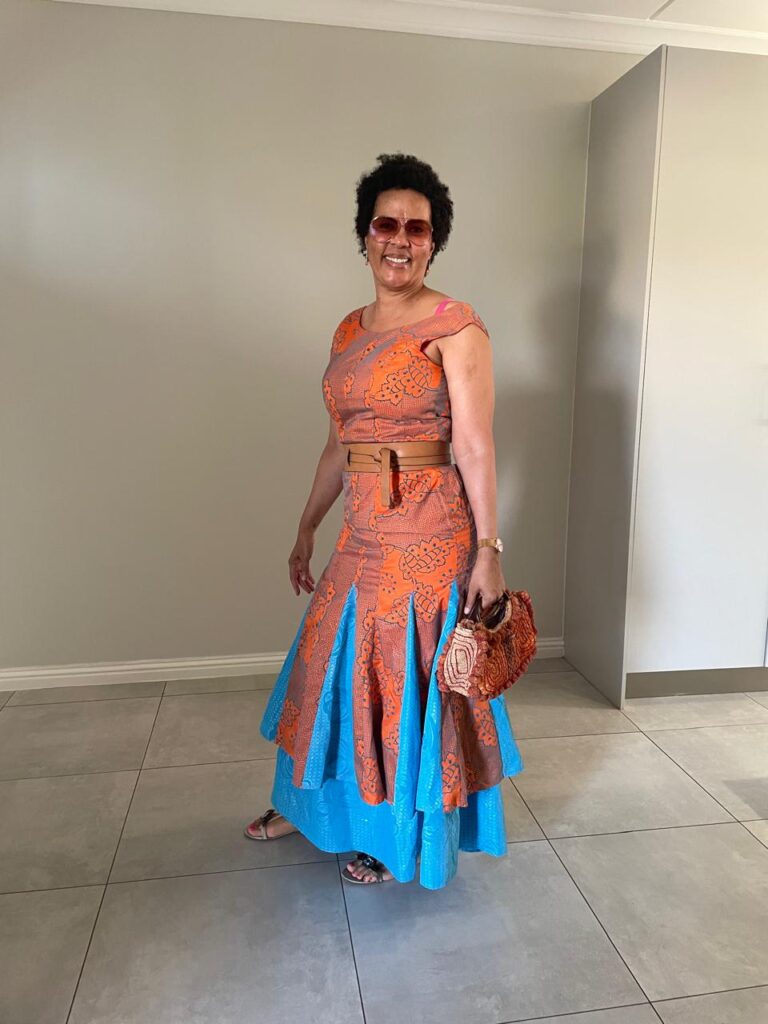
CAPTION: PUMLA BOLANI UP AND ABOUT
Starting small, she says, taught her the lesson she now lives by: meaningful work is built one step at a time. “The difference you make in one person’s life can be a powerful reason to keep going.”
For a woman who once left the familiar for the unknown, that sounds like a sound prescription.
| ACUPUNCTURE AT A GLANCE What it is: A practice from traditional Chinese medicine in which fine needles are inserted at specific points on the body to stimulate the body’s own healing responses. How old: More than 2,000 years. The foundational text, the Huangdi Neijing (Yellow Emperor’s Inner Classic), dates to roughly the last centuries BCE. Global standing: Acupuncture and moxibustion were inscribed on UNESCO’s list of the Intangible Cultural Heritage of Humanity in 2010. Pumla’s approach: Treat early, treat consistently, and teach clients to track their own progress. Book a session: Abundance Natural Health, WhatsApp 066 210 9948. |
This feature is a profile of a practitioner’s experiences and is not medical advice. Readers with health concerns should consult a registered health professional.