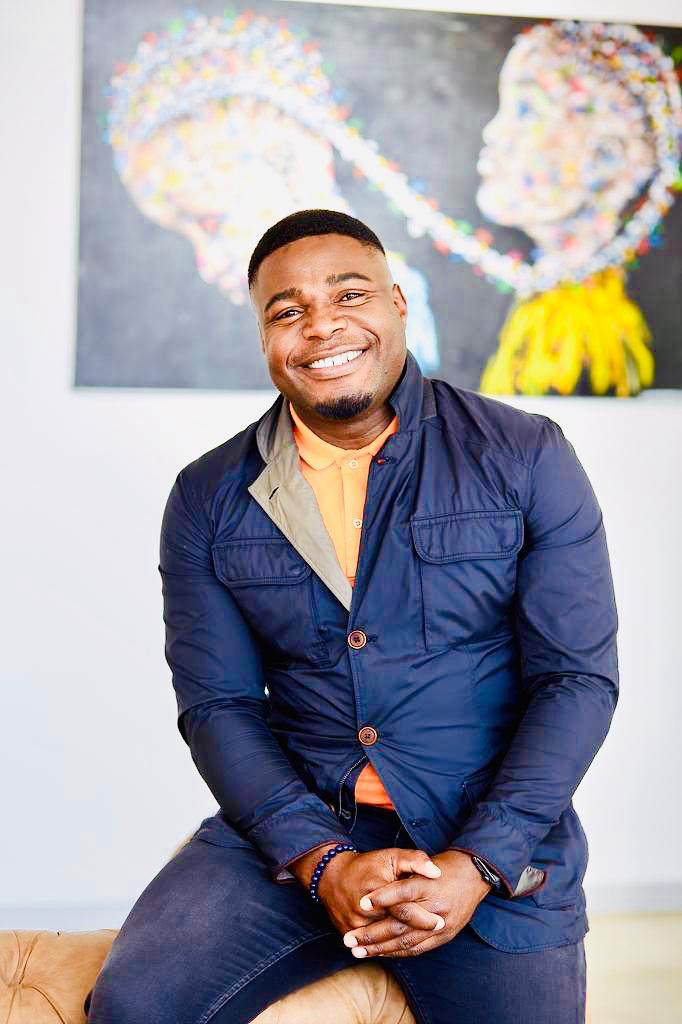

PHOTO: SANDTON BUSINESSMAN THEMBA MTHETHWA
LEN KALANE
Every entrepreneur eventually meets the moment when the thing that built the business becomes the thing holding it back. For Themba Mthethwa, that moment did not arrive with a bang. It arrived quietly, as a nagging sense that the market was moving faster than he was.
“There was a moment when we realised that what had worked for the business up to that point wasn’t going to take us where we wanted to go next,” he says. He innovated and later came up with an answer that gave Sandton a gallery, a bespoke tailoring studio and a lesson in reinvention.
A shop built on passion
In 2011, Mthethwa and his partners opened a men’s boutique built on a simple promise: exceptional clothing, sourced from Europe and other international markets, for men who care how they show up. It was a business born of what he describes as a lifelong passion for fashion and self-expression, and of a desire to build something of his own.
It worked. The boutique attracted a loyal client base and grew steadily over the years. But Mthethwa always saw it as more than a store. “I wanted it to become something people could connect with and feel proud to wear,” he says, describing a brand with a community around it, one with the potential to create opportunities and inspire others.
The question that changed everything
Then came 2020. COVID-19 struck at the heart of the traditional retail model: importing stock, holding it, and hoping the right customers walked in to buy it. Customer expectations were shifting, competition was evolving, and the old ways of doing things had begun to limit growth rather than support it.
Mthethwa’s response was not to protect what he had built, but to interrogate it. “It wasn’t one dramatic event that forced the decision,” he recalls. “It was the realisation that standing still was, in itself, a decision.”
He and his team stepped back, challenged their assumptions, listened more closely to customers, and asked a deliberately uncomfortable question: if we were starting this business today, would we build it the same way?
“The answer was no.”
It is a question many business owners avoid, because the honest answer can be expensive. For Mthethwa, it was liberating. The focus shifted from preserving the business to creating what it needed to become. That meant difficult choices and letting go of things that had served the business well.
He admits the letting go was not easy. “I had become attached to it and had imagined how it would turn out,” he says of the original idea. “At first, I felt disappointed and a little frustrated.” But the discomfort gave way to something better: “I felt more open-minded and proud that I was able to adapt.”
Fewer shelves, more craftsmanship
The result was a reimagined model. Rather than carrying the cost and risk of importing and holding large amounts of stock, Mthethwa moved to made-to-measure clothing.
The process is personal by design. Clients choose their fabric, their style and the finer details, and each garment is then made to their individual measurements. The client receives something truly their own; the business sheds the weight of inventory. The premium, personalised experience that defined the boutique remained intact, and the overheads that threatened it did not.
It is innovation in its most practical form: not a flashy invention, but a smarter way of delivering the same value.
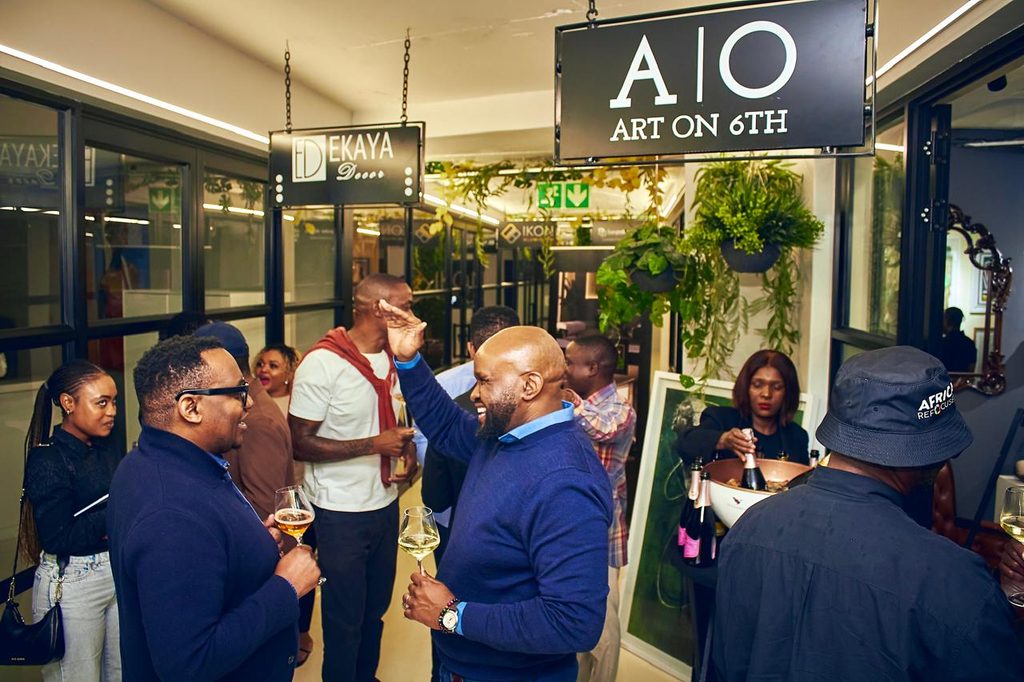
CAPTION: THEMBA’S CLIENTS HAVING A BALL AT HIS BUSINESS PREMISES AT ART ON 6TH
Where canvas meets cloth
The second half of the reinvention took place in Kramerville, Sandton, where Mthethwa opened Art On 6th, a gallery showcasing contemporary African art.
To him, the leap from tailoring to art is smaller than it looks. “I’ve always had a strong passion for art and creativity, and I saw an opportunity to turn that passion into a business,” he explains. “Adding the arts side allows me to combine creativity with entrepreneurship while creating something that people can connect with and appreciate.”
Both ventures share the same DNA: a bespoke suit and a work of art are each personal, crafted and chosen with care. Both also reflect his conviction that a good business creates platforms for talent and creativity.
His weeks reflect that blend. There are days for creating, sourcing materials and working on designs, and days for orders, deliveries, customers and social media. “Some days are more creative, while others are focused on the business and admin side,” he says. “It can be pretty busy, but I enjoy having that balance.”
Proud, and only getting started
Asked what he is proudest of, Mthethwa points not to a milestone but to a transformation. “Turning my creativity into something tangible that people can connect with,” he says. “Seeing people wear my pieces, appreciate the artworks I provide, and support what I create makes me proud because it shows that something that started as an idea can become a real brand.”
His ambitions are firmly forward-looking. In five years, he wants both businesses to be well-established, profitable and recognised for their creativity, with an online presence that reaches well beyond Johannesburg. Just as importantly, he wants them to be big enough to “create opportunities for other creatives and contribute positively to my community.”
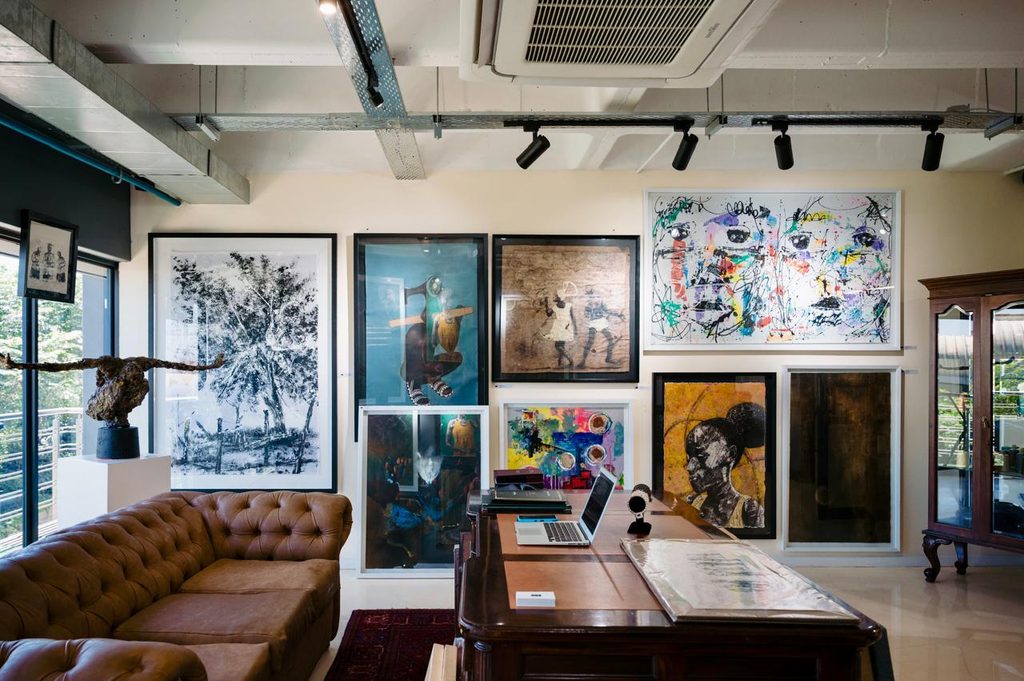
PHOTO: ARTWORK AVAILABLE AT ART ON 6TH
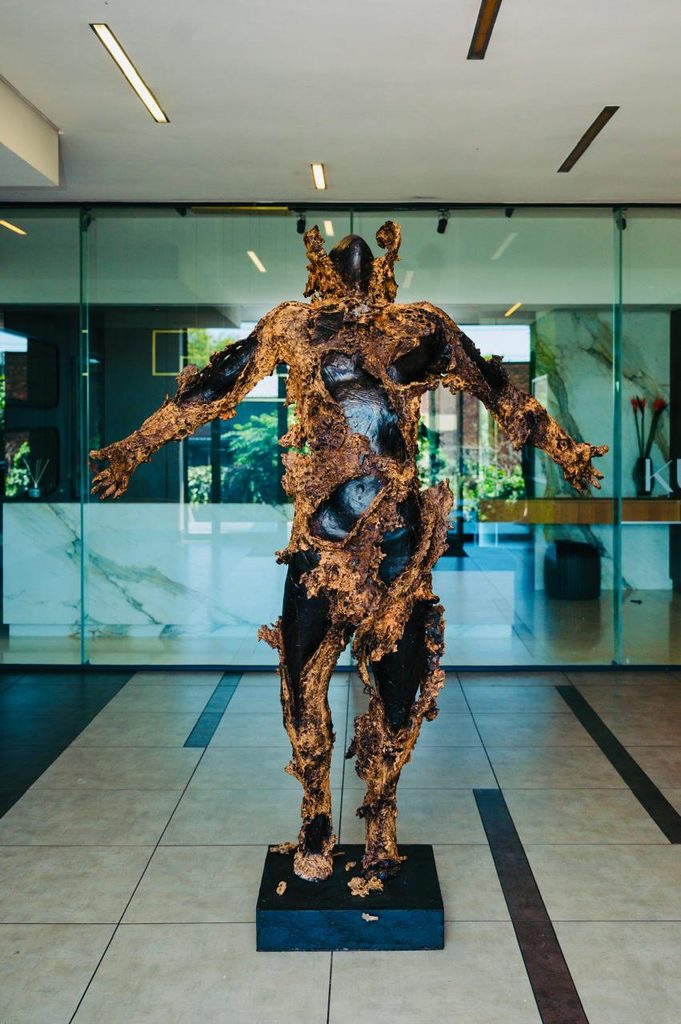
PHOTO: ART ON 6TH
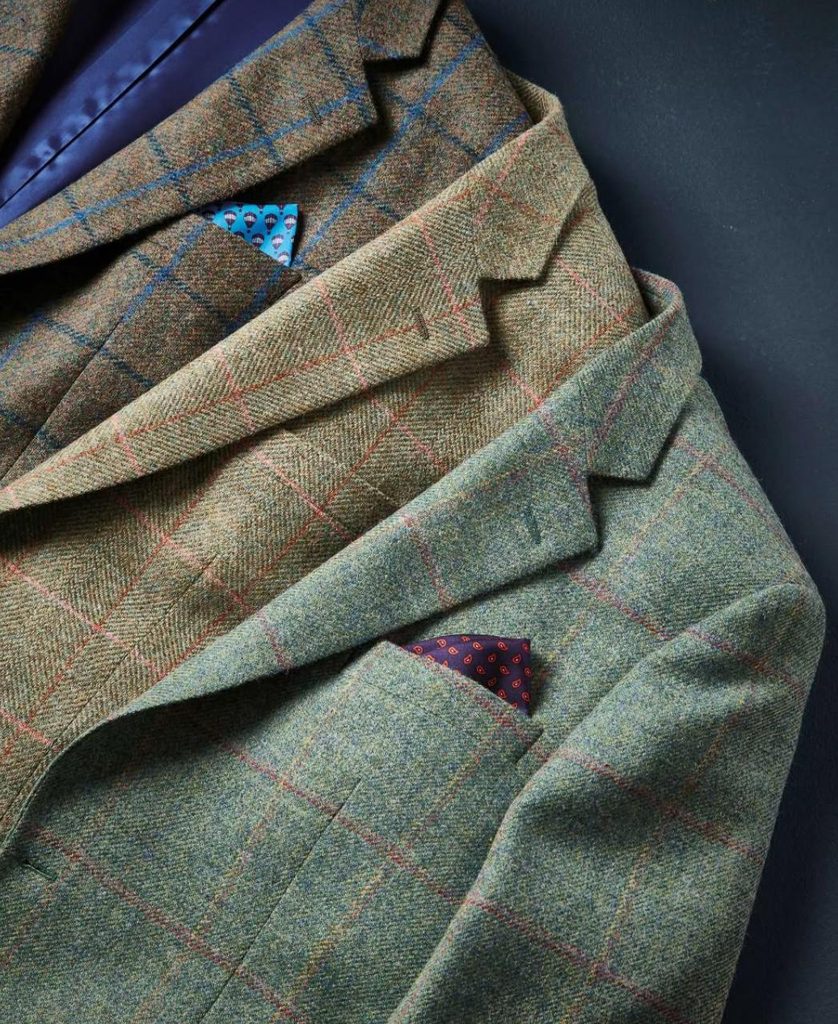
PHOTO: FASHIONS GALORE
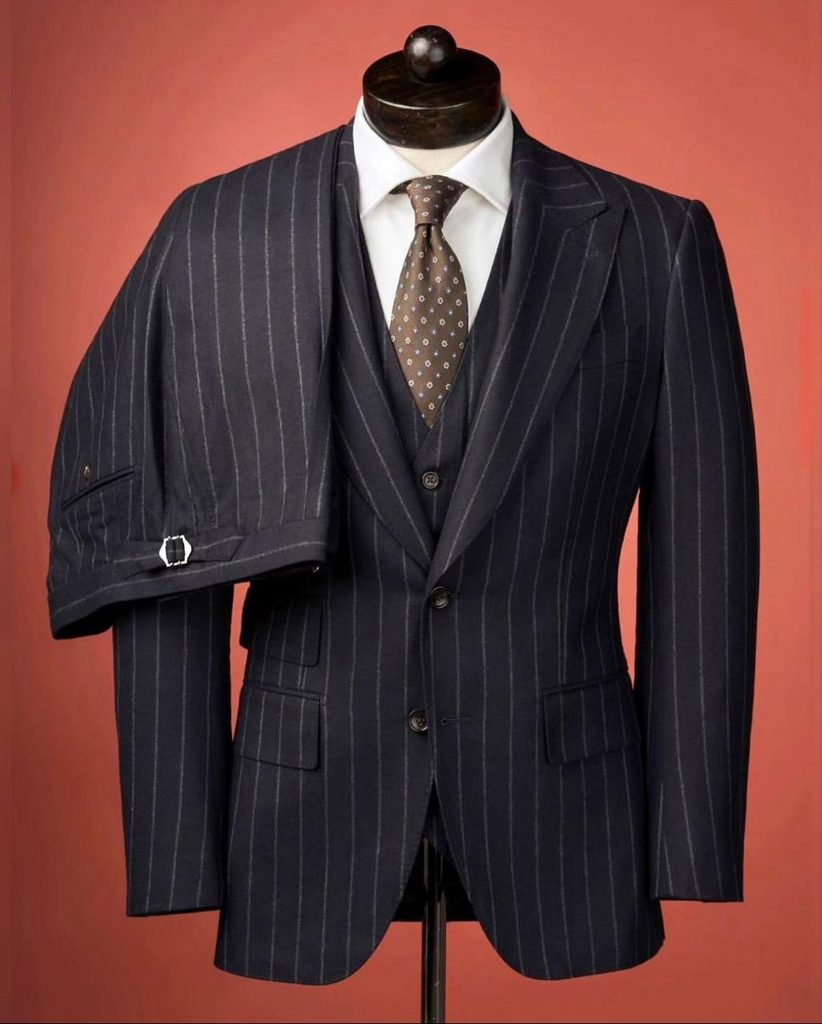
PHOTO: BESPOKE SUITS
Advice for the next innovator
What does he tell people who have an idea but are held back by doubt? His answer is generous, and it is not about courage in the abstract.
“You don’t need to be fearless to begin. You just need to be willing to take one small step while you’re still afraid.”
An idea, he says, rarely arrives with certainty. You learn what it can become by moving, testing, failing, adjusting and trying again. And changing direction is not failure: “Sometimes changing course is what happens when you finally have enough information to see more clearly.”
Rather than asking “What if this doesn’t work?”, he suggests asking: “What could I learn if I give it a real chance?” His permission slip for aspiring founders is simple: “You’re allowed to start badly. You’re allowed to change your mind. You’re allowed to outgrow your original idea.”
On the hardest days, when motivation runs dry, he leans on purpose, and when that fails, on “discipline, hope, and the people who believe in me.”
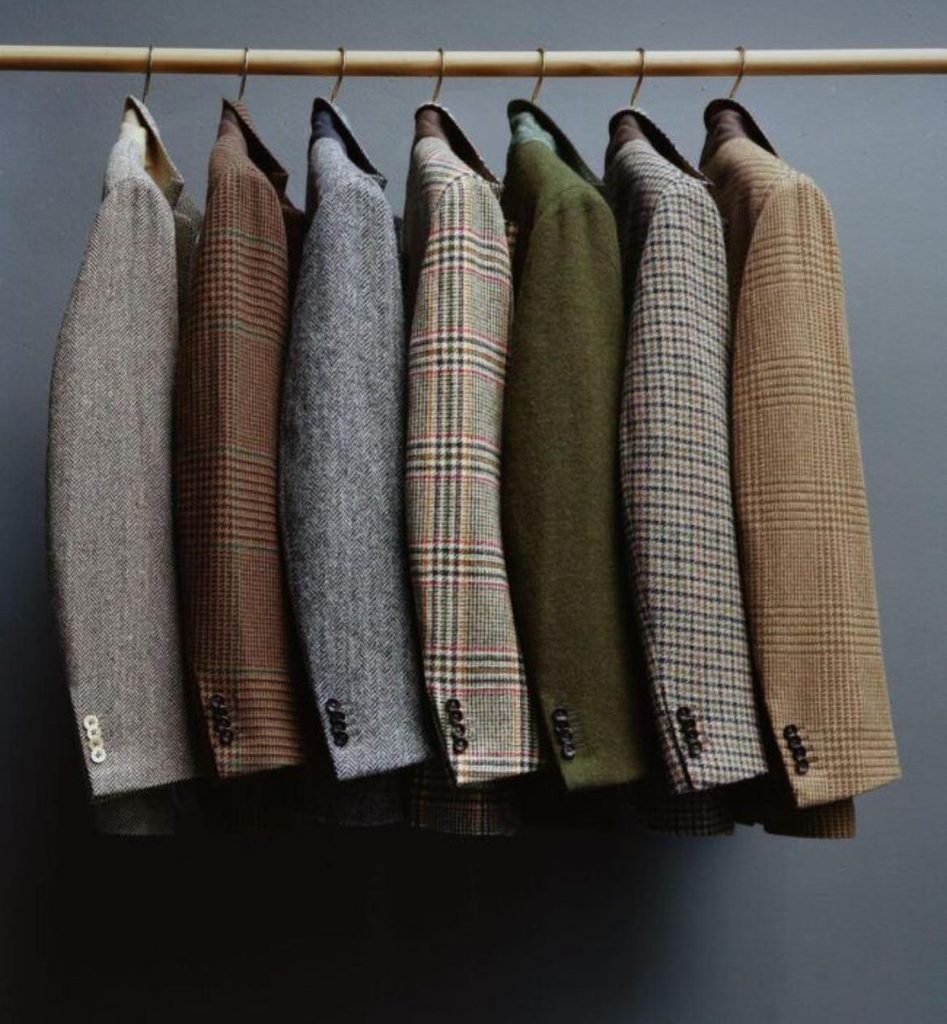
PHOTO: YOUR CHOICE
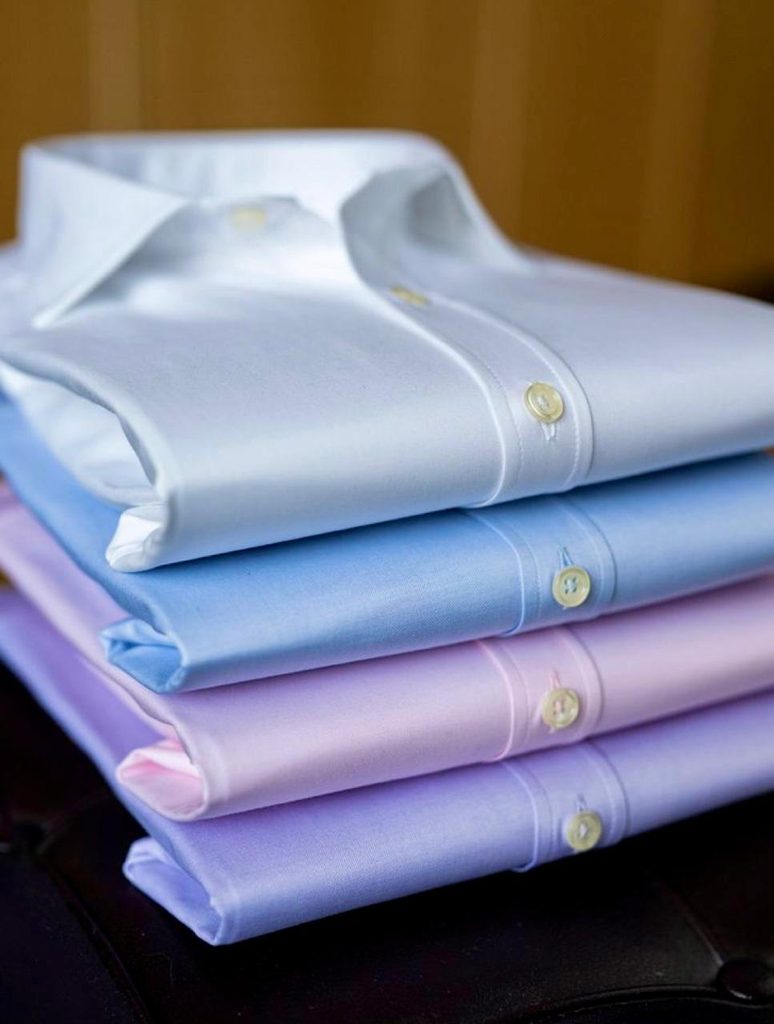
PHOTO: SHIRTS VARIETY
The bigger lesson
Themba Mthethwa’s story is not really about clothes or canvases. It is about what happens when a business owner treats disruption as information rather than as a verdict. The pandemic threatened a model built on imported stock; he responded by building one around craftsmanship, personalisation and creativity, with lower risk and greater meaning.
Starting small, he says, taught him that “the first step may be tiny, but it can take you farther than you ever imagined.” For anyone facing a challenge that seems to demand an answer they don’t yet have, that may be the most useful measurement of all.