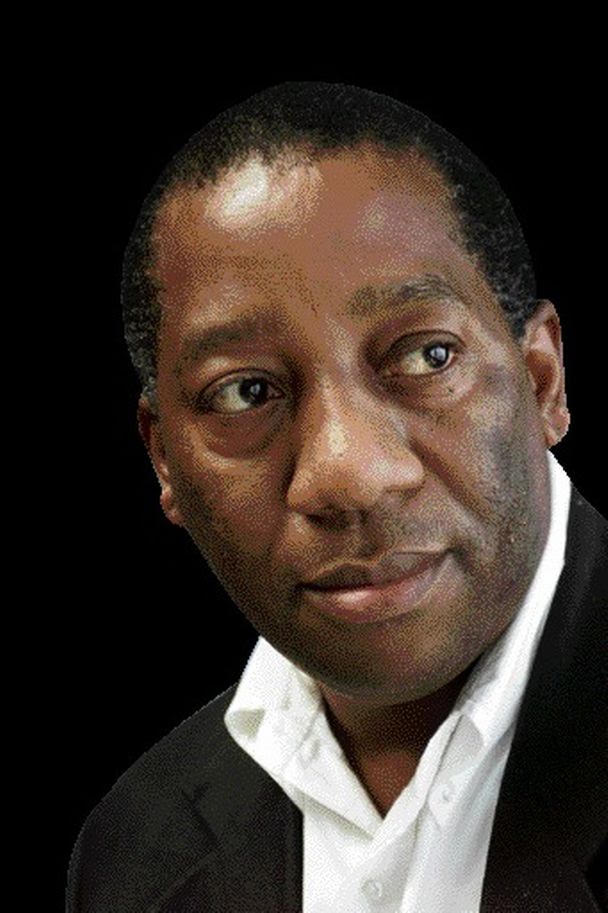

CAPTION: OUPA NGWENYA
From Soweto to Davos to the Oval Office, black leaders are handed the title but kept from doing the ‘black thing’: centring politics on black people.
VIEWPOINT: BY OUPA NGWENYA
Black people are under attack. Black power is under attack. The class of 1976 knows betrayal when, in 2026, the attacks keep repeating, turning the solemnity, sacrifice and tears of June 16, 1976 into fun, games and laughter.
Under attack is black sovereignty in all its forms: family, food, water, entertainment, information, education, aesthetics, love, self-definition, naming, knowledge, dreams, the future, generational DNA, intuition, mind, soul, spirit, land, sea, air, environment, and black action for the liberation of true humanity.
Soweto’s universal ring
The June 16 generation turned the tables on those dining out on black misery and blew the whistle: time up. With liberating black power written on the wall, the urgency to stop it was desperate, as though a doomsday clock were ticking. June 16 was not speaking only to Pretoria. It was speaking to every corner of the earth where conscious humanity lived.
To oppressive white folks worldwide, the common humanity black students called for was hell raining its subversive parade on the heaven on earth South Africa had been to them. Soweto is a mere parable of what happens when humanity is exasperated beyond endurance. Its echo was poised to take down the edifice of white privilege wherever it had justified itself.
To white folks at the southern tip, the gods must have been crazy to let school children perform the last rites of an oppression built to last as long as time. God’s plan could not have allowed the light of day (read whiteness) to be valued equally with the darkness of night (read blackness). Not when white partiality was believed God-ordained and was endorsed by the Nederduitse Gereformeerde Kerk (NGK), the Dutch Reformed Church.
The objectors must have thought: power cannot be allowed to be black. No human soul dwells in a black skin in a black township that racism and apartheid law had made non-human and unfit to govern. Whose thought process is this? Definitely not black people’s.
That coloniality is incorrigible. It is audible today in United States President Donald Trump’s executive order prioritising refugee status for Afrikaners: whites of European descent from South Africa, in Trump’s words.
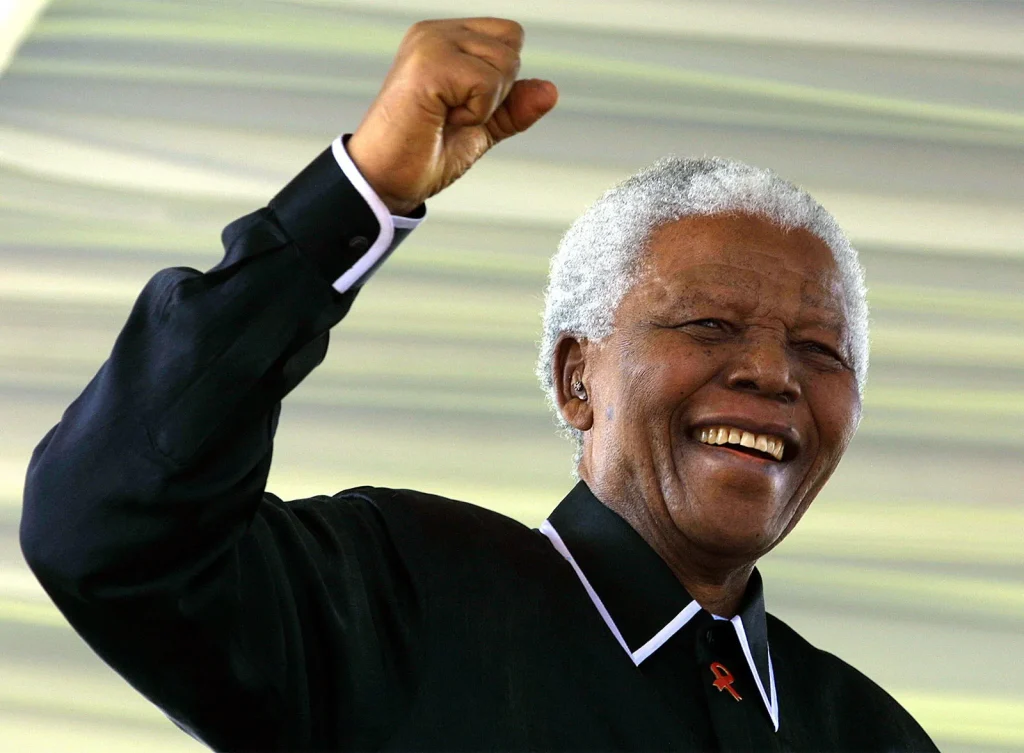
CAPTION: NELSON MANDELA
A black president, and what was expected of him
Under attack, above all, is liberating black majority rule. Once there is a black president, black people expect someone walking in their skin to care about them.
Nelson Mandela earned the title as the first head of state after (i) land invasion and dispossession, (ii) settler colonial conquest, (iii) imposition of alien rule, taxation without representation, (iv) legalised white racism, apartheid, from 1948 to 1990, and (v) the end of apartheid, with legitimacy finally attained through black majority voting in 1994.
Four days before Mandela’s release on February 11, 1990, Brenda Fassie released her single “Black President”. Her expectations were no less significant than the nation’s.
Five years later, on April 8, 1996, came Michael Jackson’s “They Don’t Care About Us”, fourth single from HIStory: Past, Present and Future, Book I released in 1995. It was the first anniversary of Mandela’s presidency and the 19th of the Soweto uprising. Many heard the beat and missed the message.
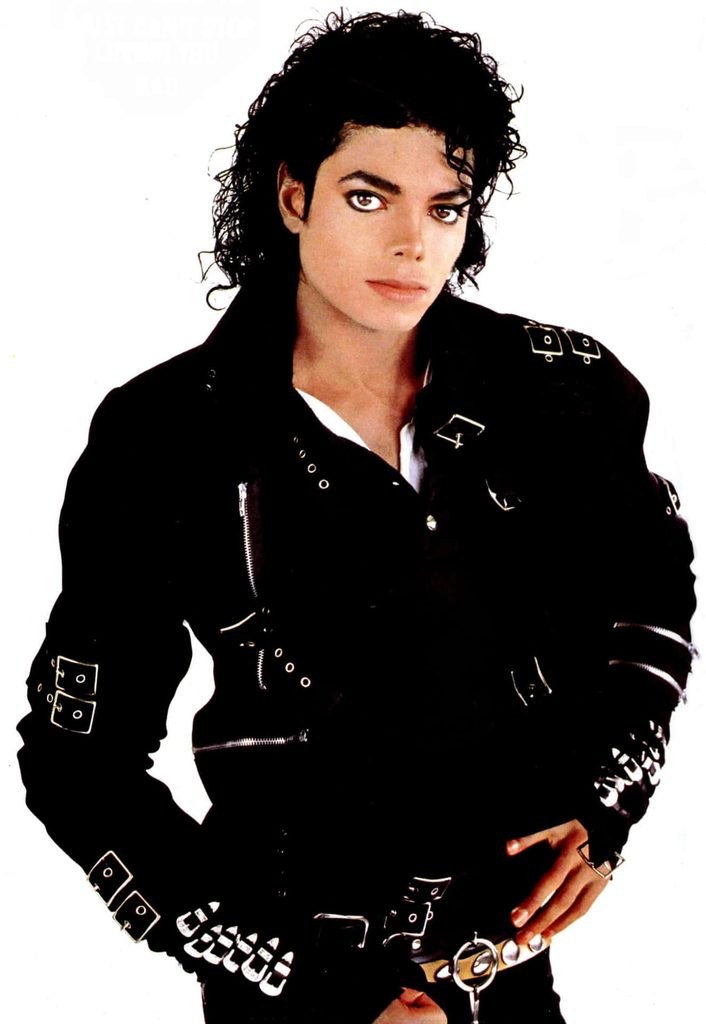
CAPTION: MICHAEL JACKSON
Written and produced entirely by Jackson, the song is heavy with march-like percussion depicting a protest rally. It is acclaimed as one of his most politically charged, directly challenging social injustice, police brutality, institutional racism and government neglect. Present-day South Africa would be well advised to listen.
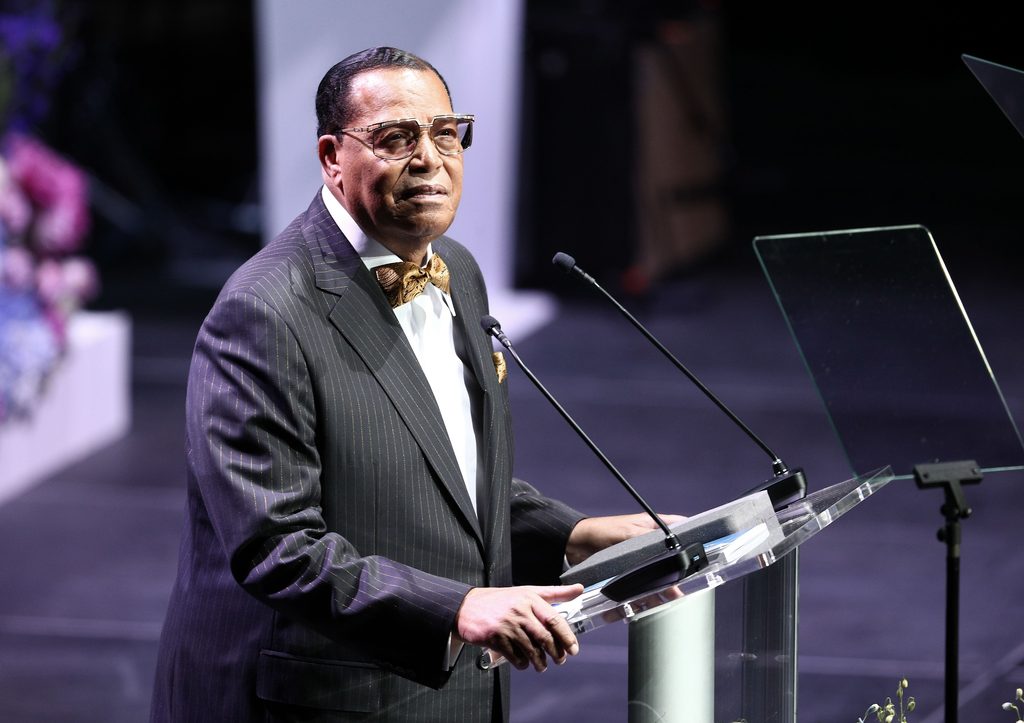
CAPTION: LOUIS FARRAKHAN
Nation of Islam leader Louis Farrakhan drove the point home, reciting the refrain in song at a memorial lecture titled “The Crucifixion of Michael Jackson”. Then he jolted his audience: ‘Some of you think because you have a black president, they now care.’
The ‘black thing’ Mandela did not do
Mandela did not call himself a black president. The journalists who capture immediate history for a living did. Even they did not expect him to do the black thing.
The ‘black thing’ would have meant centring politics on black people, starting with material deliverance for the struggling majority. In the global white gaze, that would not have been a ‘civil thing’ for Mandela to do. He trusted instead in a change of heart among privileged whites, expecting them to answer his reconciliation by repenting of their ill-gotten superiority.
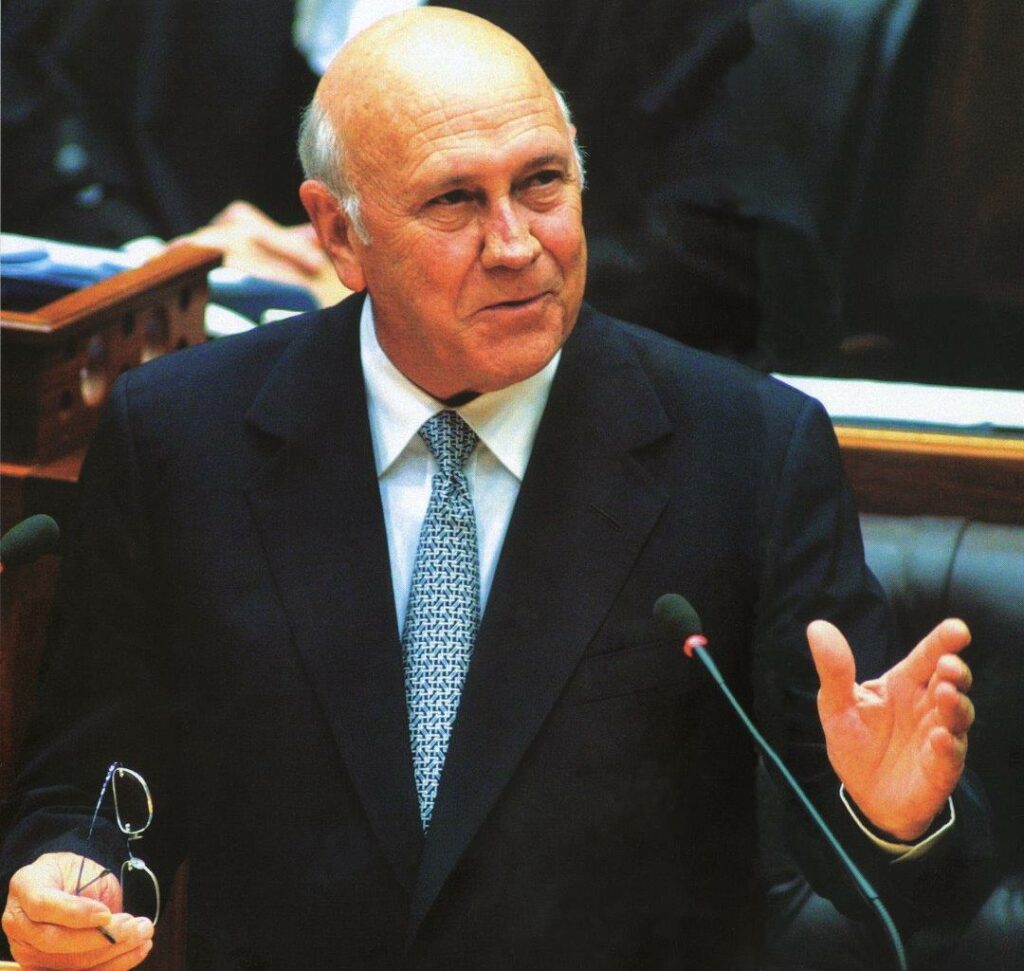
CAPTION: FW DE KLERK
Rhodesia’s Ian Smith was explicit that there would be no majority rule: ‘not in a thousand years, over my dead body’. F.W. de Klerk did not need to say as much. The constitutional principles binding the ‘new’ constitution, ensuring no historical break with the past and continued protection of minority rights, said it for him. He did what he had to do, assured of worldwide backing that power would not be liberatory and black.
Armed with the Nobel Peace Prize he shared with Mandela on December 10, 1993, De Klerk returned to the loving arms of the world as one of the deputy presidents alongside Thabo Mbeki, with no more worry about punishment for the sins of black subjugation.
Blackness and its woundedness were eclipsed by rushing images of rainbow singing that the storm over white superiority was over. A new South Africa could not wait to race for a dawn that did not end the nightmare of recurring daylight black immiseration. Wounded hearts were left alone to heal, forgive and forget: ‘finish and klaar’.
What blackness denotes, and the unfinished business
Blackness here denotes (i) liberation of the oppressed black majority, (ii) a reordering of society so that separation no longer profits whiteness into perpetuity, and (iii) a re-inaugurated common and true humanity, with no high or low to perpetuate an inequality baptised as democracy for constitutional tolerability.
Do the courts hold that black liberation is unconstitutional? Does unrepentant white privilege, which feeds on black diminution, have locus standi to argue for the constitutionality of continued white superiority? What picture of true humanity do the courts have? What, really, does ‘constitutional’ mean?
The unfinished business of liberation entails (i) mindset change, (ii) culture change and (iii) ethos change. Well carried, they leave no room for black inferiority or white superiority. Unless black people are deemed less human, is it a big ask to be human in ‘constitutional terms’?
Davos: the crown and the jewel
This rehumanising work runs contrary to the agenda of oligarchs and the globalist designs calculated at Klaus Schwab’s World Economic Forum (WEF) in Davos.
Case in point: what Mandela intended to say in his first WEF address, in January 1992, was changed to suit the room. Tito Mboweni, then deputy head of the ANC’s Department of Economic Policy, was instrumental in adjusting it to what the WEF wanted to hear. Why is suffering made to be understood by those on the receiving end for the pious comfort zones of those on the dispensing side?
Mandela’s reflection was transparently honest: “They had a dinner where they listened to me very politely, before explaining to me exactly what would happen if we carried out the plans we made in prison… I woke up the next day and realized nationalization would be the wrong policy for my country.”
Effectively, the crown of politics was being separated from the jewel of the economy.
Back home he told the ANC leadership: “Chaps, we have to choose. We either keep nationalization and get no investment, or we modify our own attitude and get investment.” How easily the crown bends the knee to the jewel, and the will of the people perishes, making nonsense of democracy.
Think: if Mandela, given a ten-minute standing ovation before he could speak, was cajoled into changing his address, anyone after Madiba ‘talking about economic freedom in our lifetime’ was never going to be met with hallelujah choruses.
Since then, globalist interests, dead against the unfinished business, have kept clawing back lost ground, celebrating that winds of change have no room to breathe through the corridors of a new liberated state encumbered by the vested interests of remorseless white privilege.
Mandela’s adjusted speech now serves Davos as a certificate of political correctness: even Mandela was wise enough to change his mind. It is ammunition for criminalising the elected government’s liberatory efforts, leaving it to do nothing, zero, zilch.
The moral of the story: the system will not save you from itself, but it will stop at nothing to ‘include’ you at its dinner tables and eliminate your people’s wishes from the menu of fundamental change. Do not mistake such ‘inclusion’ for belonging.
The stage was set for racism’s buoyant return, reopening ugly memories Madiba had hoped to shut in return for a reconciliation so treacherously not reciprocated, as Afriforum’s unpatriotic, derogatory antics at home and abroad exemplify. Unrepentant racism insists that Madiba’s avoidance of black centredness does not deserve white repentance.
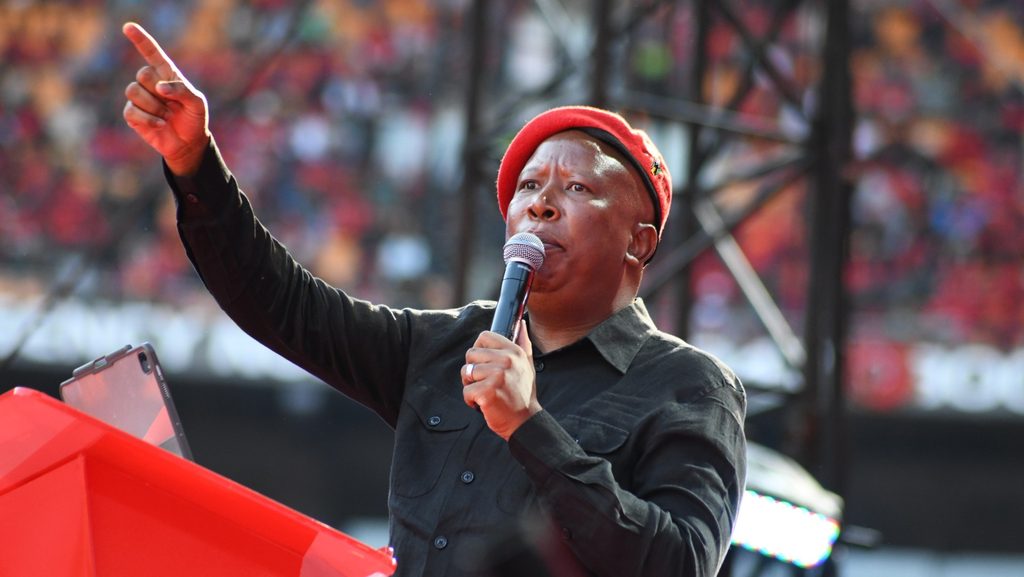
CAPTION: JULIUS MALEMA
Why Malema draws fire
The message since Davos in 1992 has been relentless: give them the crown of politics, but not the jewel of the economy. That puts Julius Malema’s EFF message in the crosshairs. Capitalist aversion to Malema is no pretence of wishing for political good manners. In the good books of big money, black liberation has not an ounce of manners to spare a dime for its fruition.
Minus intermittent indiscretions and occasional misspeaks, Malema’s message is the polar opposite of the capitalist cruelty done to black people. His caustic tongue toward global corporate avarice was never going to win applause, because he would not hand the script of capitalism’s cruelties on black bodies over to be edited for Davos audiences. Whatever friend or foe thinks of Malema, his message is daringly black. What is dreaded most is the prospect of Malema doing the ‘black thing’ being more likely than unlikely.
Blackness is not at fault. Blackness is systematically and generationally faulted. White conscientious objectors who see how blackness was made, over centuries, the foundation of a sanctimonious moral hierarchy will have no difficulty siding with a cause the true liberation project ought to advance, protect and defend.
Black presidents, white houses
The current administration, under Cyril Ramaphosa, is the 7th. Mandela’s second, third and fourth successors were not expected to mouth the messages he was prevented from delivering at Davos. But not being visibly prevented, some have not even tried to walk the talk of true rehumanising liberation. Black action for liberation outside white tutelage is never trusted for its intentions, and however good they are, misunderstandings are concocted against it as a distraction.
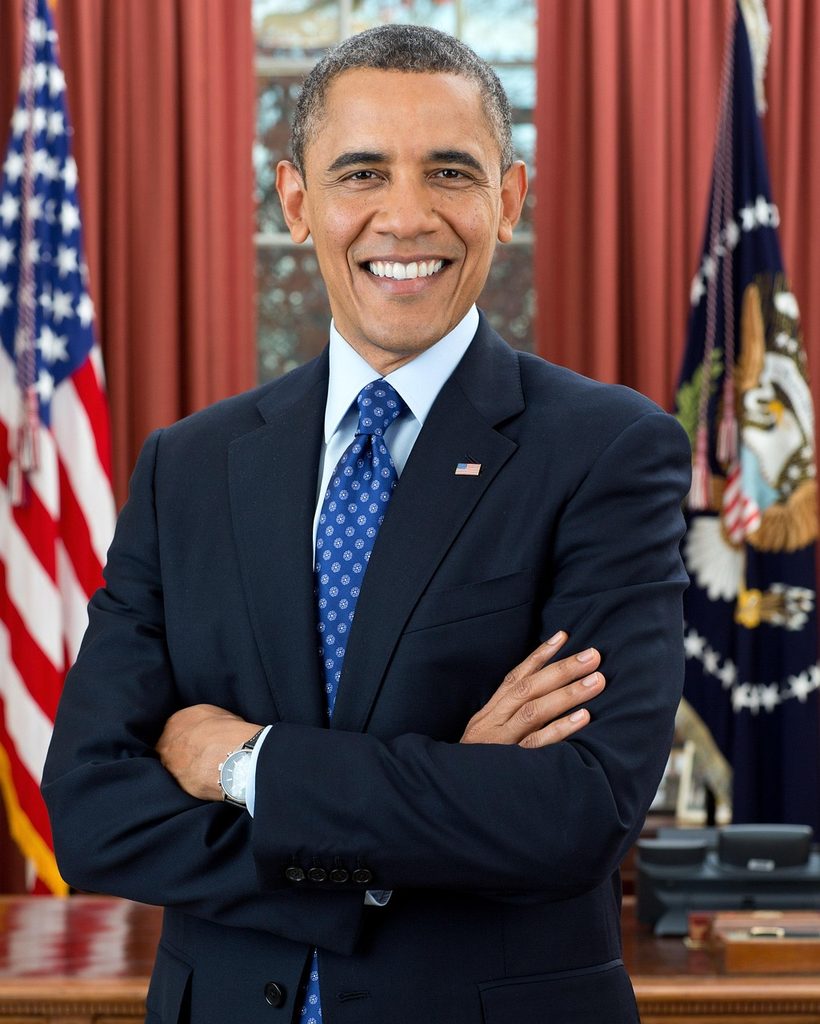
CAPTION: BARRACK OBAMA
Barack Obama’s presidency did not break the pattern. America’s first black president was all that there was to it; nothing was expected to follow in words and deeds to make black lives effectively matter. In two full terms, from Jan 20, 2009 to Jan 20, 2017, he brought no material relief to the black hopes that elevated him into the White House.
America can call the seat of its power the White House, but South Africa dare not call its own the Black House. There stands revealed the default arrogance of whiteness: it expects black presidents to treat its unquestionability as good political manners. Obama’s stay in the White House was Donald Trump’s everlasting pain, simply because of Obama’s blackness. The prevailing worldwide mindset, most probably, is that power cannot be allowed to be black, in the United States or in South Africa.
It is ok for Roelf Meyer to be SA ambassador to the United States. It is ok for Leo Brent Bozell III to be US ambassador to SA. Bring in Ebrahim Rasool and Mcebisi Jonas and you must be out of your mind to think it helpful to US-SA relations. Even black journalists subconsciously hold it is madness. The subtext cannot help believing Afriforum is right that the alpha and omega of humanity begins and ends with souls in white skin.
Consistent with this belief, it is ok for power to be Trump. It is not ok for power to be Obama. Whiteness is Big Money’s true love for the exercise of public power. That was true in South Africa’s 1994 elections, for Mandela, as in the 2008 US election that put Obama in the Oval Office.
The world that loves South Africa was never geared to getting used to a country exemplifying the human face Steve Biko imagined as its deserved ultimate gift.