
By IDO LEKOTA
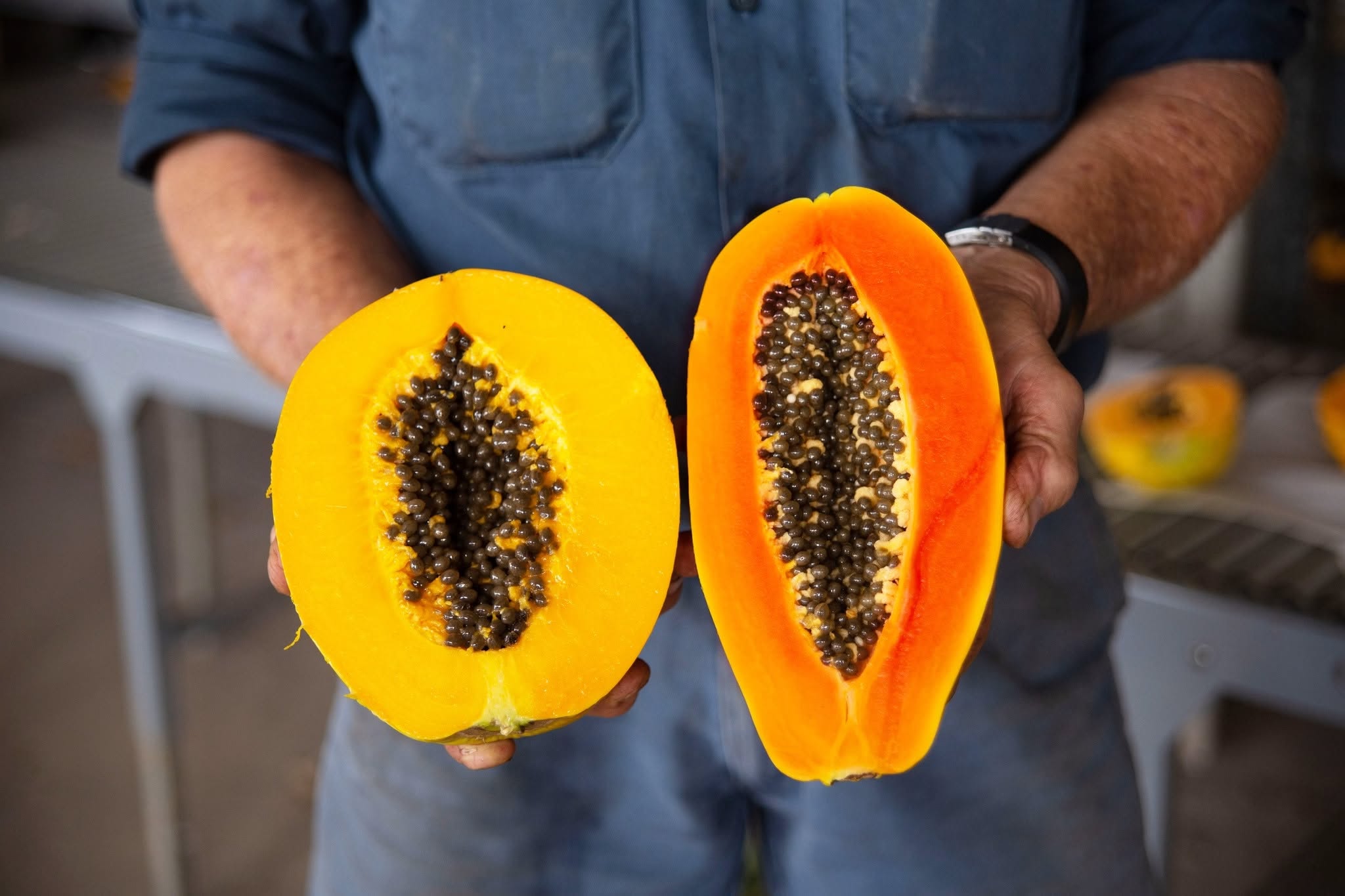
During a recent visit to a local produce outlet, I bought a paw-paw. I expected a familiar routine: cut open the fruit, enjoy its soft sweetness, scoop out the dark seeds, and perhaps plant a few in the backyard. Instead, slicing it open revealed a smooth, empty center. It was seedless.
At first, this seemed like a minor curiosity – perhaps even a convenience. There were no seeds to scrape away, no interruption to eating. Yet the discovery quietly disrupted an implicit assumption: that food contains within itself the intrinsic capability to reproduce.
Is a seedless fruit a triumph of agricultural innovation, or a quiet threat to food sovereignty? The honest answer is that there is a case to be made on both sides, and it is worth hearing each before choosing.
The case for innovation is considerable. Seedless fruit answers what shoppers say they want: easier eating, less waste and a consistent product. Behind it sits real plant-breeding skill, and often nothing more exotic than selection of natural mutations or conventional crossing. Uniform, high-yielding varieties help farmers plan harvests, meet market standards and, under the right conditions, earn more per hectare. Breeding programmes also continue to produce crops with better disease resistance, longer shelf life and greater tolerance of heat and drought, none of which should be dismissed.
The case for concern is just as real. Innovation that cannot reproduce itself must be bought again and again, which shifts power from the household and the farmer to whoever controls the planting material. Uniform crops can be genetically narrow and therefore fragile, and a market in which a few firms hold most of the seed, and many of the patents, leaves little room for farmers to save, adapt and exchange what they grow. Innovation of this kind can quietly erode sovereignty even when each individual product is harmless or useful.
This article argues that the fruit itself is not the problem. What matters is the structure around it: who owns the innovation, who may use and improve it, and what happens when it fails. The seedless paw-paw is a good place to start asking.
That seedless fruit transformed an ordinary purchase into a meditation on production and consumption. Unconsciously, I had approached the paw-paw not just as a meal, but as the potential beginning of a new cycle of cultivation. Its missing seeds locked me firmly at the terminal end of a linear supply chain. I could consume the fruit, but I could not propagate it.
This experience mirrors a broader alienation in modern food systems. In a more integrated food culture, eating a piece of fruit leads naturally to saving, selecting, exchanging, and planting. The household is not merely a site of consumption; it remains a modest site of production, maintaining a porous boundary between eater and grower.
Today, that boundary is increasingly rigid. Food arrives at retail outlets as a finished commodity, while seed is treated as a proprietary input obtained elsewhere. The consumer buys food; the farmer buys the means to produce it. Seeds, fertilisers, pesticides, machinery, finance, and logistics are organised through commercial networks that often distance households and farmers from the natural cycles that sustain them.
The seedless paw-paw is thus more than a biological anomaly. It is a symbol of a food regime that decouples consumption from biological reproduction. The fruit satisfies immediate hunger, but it forecloses future participation. Its convenience is real, but so is the loss of agency symbolised by the absent seeds.
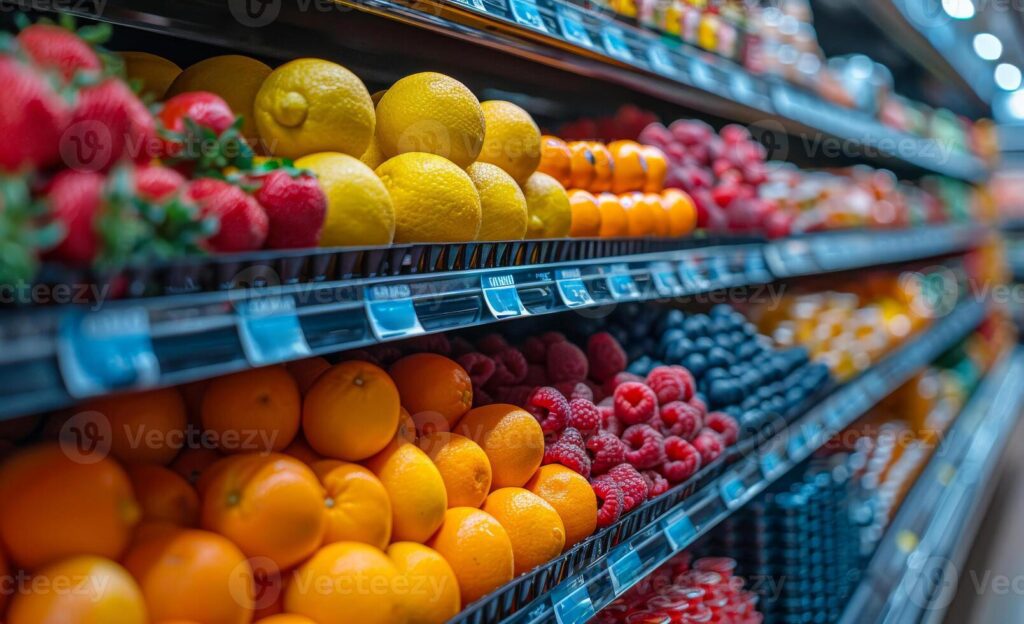
There is also a quieter biological consequence. A seedless fruit cannot be grown from its own seed, so it has to be multiplied by other means: cuttings, grafting, tissue culture, or, in some crops, carefully managed crosses repeated every season. (Seedlessness usually comes from conventional breeding or natural mutation rather than genetic modification; the issue here is not the technique but what it does to the plants.) The Cavendish banana that dominates world trade is propagated as clones, as are many seedless grapes and navel oranges. An orchard or plantation of such a crop is, in effect, one individual repeated thousands of times.
Genetic uniformity is efficient. Identical plants ripen together, look alike and travel well. It is also fragile. Sexual reproduction reshuffles genes in every generation, and among that variation there is often a plant that happens to resist a new pest or fungus. A field of clones has no such reserve: if one plant is vulnerable, all of them are. Bananas have already taught this lesson. The Gros Michel, once the world’s main export banana, was devastated by Panama disease and replaced by the Cavendish, which is now threatened by a new strain of the same disease, Tropical Race 4, that has spread beyond Asia into Latin America. With no genetic variety to draw on, growers are left with quarantine, chemical control, or the slow work of breeding a replacement from scratch.
This returns us to the question the empty paw-paw posed at the kitchen counter. If the fruit cannot supply its own future, who does?
This distinction highlights why the concept of food sovereignty matters. Standard definitions of food security ask whether people have reliable access to sufficient, safe, and nutritious food – a vital question in societies burdened by poverty and unemployment. Yet food security rarely asks who owns the land, controls the water, patents the seeds, or governs the markets.
Food sovereignty goes further, demanding that communities retain meaningful authority over their own food systems. It centres the rights of small-scale farmers, the protection of indigenous knowledge, the preservation of seed diversity, and a public voice in agricultural governance. It asks not merely if people are fed, but whether they possess the structural capacity to produce, distribute, and sustain their own sustenance.
My kitchen counter captured this tension precisely: I had access to food, but not to the means of reproducing it. This is not to suggest that every consumer must become a farmer, or that seedless varieties are inherently sinister. It does suggest, however, that modern convenience frequently disguises structural dependency.
This dynamic is particularly acute in South Africa. The nation boasts a highly developed commercial agricultural sector and an expansive retail food network, yet millions of households endure persistent hunger. According to the 2026 South African Food Security Index 14.7% of the individual population in South Africa experience hunger — a clear sign that abundant store shelves do not guarantee affordability, nutritional quality, or democratic influence over production choices. National food security exists comfortably alongside localised deprivation.
South Africa’s food landscape remains constrained by historical inequalities in land ownership, income, water rights, and market access. Supermarkets present an image of boundless choice, but that choice often masks the exclusion of ordinary citizens from agrarian life. One can live surrounded by retail food while lacking access to land, irrigation, agricultural knowledge, or the purchasing power needed to buy basic groceries.
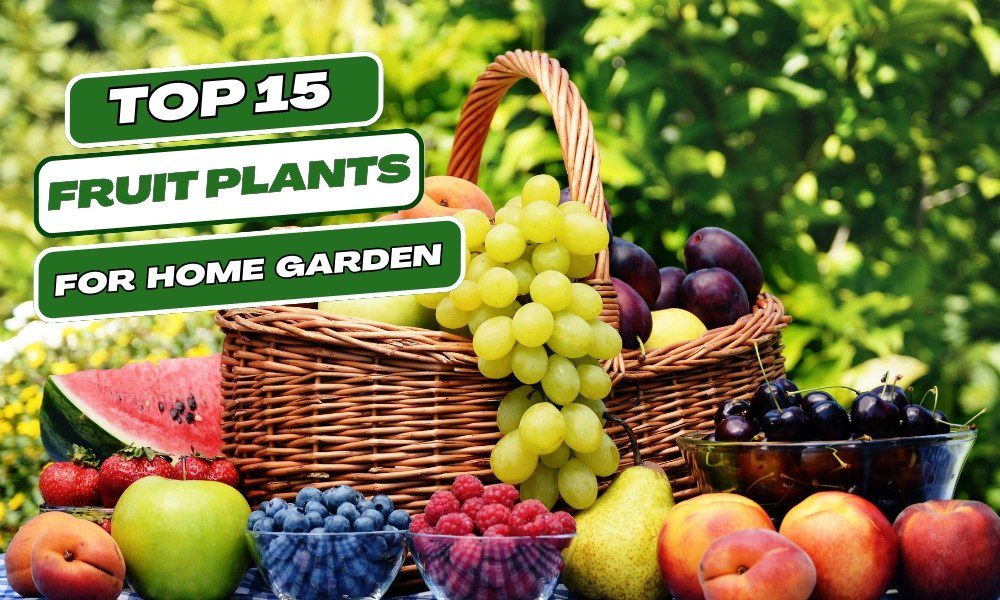
In this light, home gardens and community plots carry significance far beyond their immediate yield. A small garden may not sustain a family year-round, but it supplies fresh produce, reduces daily expenses, preserves traditional agricultural literacy, and fosters community ties. It reconnects people to seasonal rhythms and demonstrates to children that food is not manufactured by retail outlets, but nurtured through ecological processes and human effort.
However, household gardening cannot be a silver bullet for systemic food insecurity. Cultivation demands land, water, tools, security, and time resources unevenly distributed. A robust food-sovereignty agenda must pair grassroots initiative with institutional backing. Municipalities, schools, civil society, and research bodies must invest in community seed banks, rainwater harvesting, agro-ecological training, and decentralised local markets.
The same principle applies to seed systems across the continent. African farmers have long relied on dynamic networks of saved seed, informal exchanges, public breeding programs, and local selection. Smallholders select crops based on flavour, storage longevity, pest resilience, and cultural importance – an ongoing research effort developed across generations.
Commercial and hybrid seeds offer genuine benefits, including uniform growth and higher yields under specific conditions. The danger arises when commercial systems monopolise the market and displace open-pollinated varieties. If farmers lose the ability to save and adapt their own seed stock, they become entirely reliant on corporate suppliers, leaving them vulnerable to price inflation, supply chain bottlenecks, and seed varieties ill-suited to microclimates.
Increasingly, the answer is a small group of corporations. Many seedless and hybrid crops depend on planting material that is bred, multiplied and held by commercial breeders. Seedless watermelons, for example, are sterile triploid plants that must be grown each season from seed produced by crossing specific parent lines, so the farmer has to return to a supplier at every planting.
That supply is highly concentrated. The 2026 update of the ETC Group and GRAIN’s research on agribusiness concentration finds that four companies, Bayer, Corteva, Syngenta Group and BASF, account for roughly half of the global commercial seed market on 2024 sales. The previous edition put their share at 56%. The same four control a similar or larger share of the global pesticide market, between 56% and 61% depending on the edition. These figures count only commercial seed; farmer-saved seed and seed supplied by public institutions are excluded, which is precisely the part of the system that food-sovereignty advocates want to protect. Economists commonly treat a combined top-four share of 40% as the point at which markets begin to distort.
Ownership goes beyond market share. Fortune reported in August 2026 that Bayer and BASF together hold patents covering about 90% of trait acres across corn, soybeans and cotton in the United States, and that farmers there can be sued for replanting patented seed without a licence, even when they grew it themselves. Seed and chemicals are also sold by the same firms, so the companies that supply the seed are often the companies that supply the pesticides it is bred to be used with. Defenders of these firms point out, fairly, that they invest heavily in breeding and research that smallholders and public programmes cannot always match. The concern is not that such companies exist but that so few of them stand between the world and its seed.
Set beside the biology, the picture is sobering. Uniform plants in the field and a concentrated supply behind them create two single points of failure, one biological and one commercial. A new pathogen can exploit the first; a price shock, a supply disruption or a boardroom decision can exploit the second. A food system with little genetic diversity and few seed suppliers has very little slack when either goes wrong, and the consequences fall hardest on those with the least capacity to absorb them.
These dynamics have driven the work of leading food-sovereignty movements and scholars. Organisations like the France-based international social movement La Via Campesina advocate for smallholders to act as decision-makers rather than passive suppliers. The late Kenyan social and environmental activist Wangari Maathai linked ecological restoration directly to community empowerment and democratic rights. Indian environmental activist Vandana Shiva has long challenged corporate monopolies over global seed heritage, while British-born filmmaker and researcher Raj Patel demonstrates how severe hunger routinely coexists with commercial abundance.
Across the continent, thinkers like Nigerian environmental activist Nnimmo Bassey highlight the destructive links between resource extraction and agricultural disenfranchisement, while the Alliance for Food Sovereignty in Africa (AFSA) champion agroecology and farmer-led seed systems, pushing back against one-size-fits-all industrial models.
Refusing complete dependence does not mean rejecting modern science, global trade, or agricultural innovation. Farmers need access to tools that improve yields and build climate resilience. The goal is an inclusive framework where innovation broadens human choices rather than restricting them – where public research, farmer-led selection, community seed sharing, and commercial breeding coexist.
So is the seedless paw-paw innovation or threat? It is both, and the difference lies less in the fruit than in the system that surrounds it. Innovation remains innovation when it widens the choices of farmers and households: when its benefits are shared, when seed can still be saved or freely obtained alongside it, and when public and farmer-led breeding keep pace with commercial work. It becomes a threat to sovereignty when it narrows those choices, leaving a few suppliers, a few varieties and few ways to recover when something fails. Three simple questions can tell the two apart: who can use it, who can improve it, and who bears the risk if it goes wrong?
Returning to that kitchen table, the core question is straightforward: can consumers and smallholders still access, save, and cultivate reproducible seed varieties? The answer dictates whether communities remain purely passive buyers or active participants in their own survival.
A seedless paw-paw offers an unexpected lesson in political economy. It demonstrates that food sovereignty is not an abstract theory confined to policy forums.
It begins with a simple realisation at home: what potential is contained within the food on our plates, and what possibilities were stripped away before it ever reached us? A resilient food system must offer convenience without requiring capitulation to complete dependence.
Sources for added material
ETC Group and GRAIN, Top 10 Agribusiness Giants: Corporate Concentration in Food and Farming, 2026 update (market shares based on 2024 sales; commercial seed only).
Fortune, 25 August 2026, “Four firms control more than half of the world’s seed supply”.